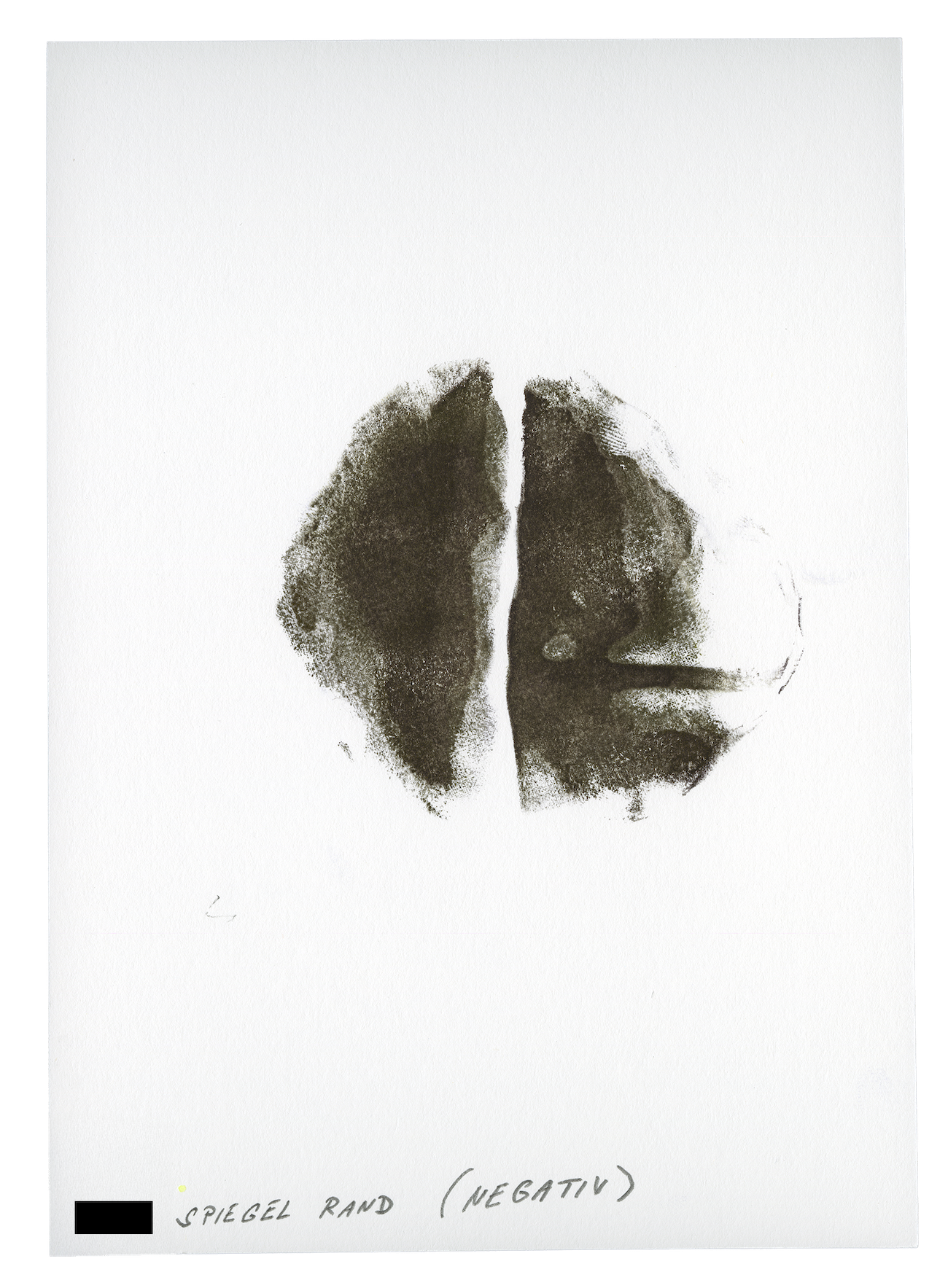
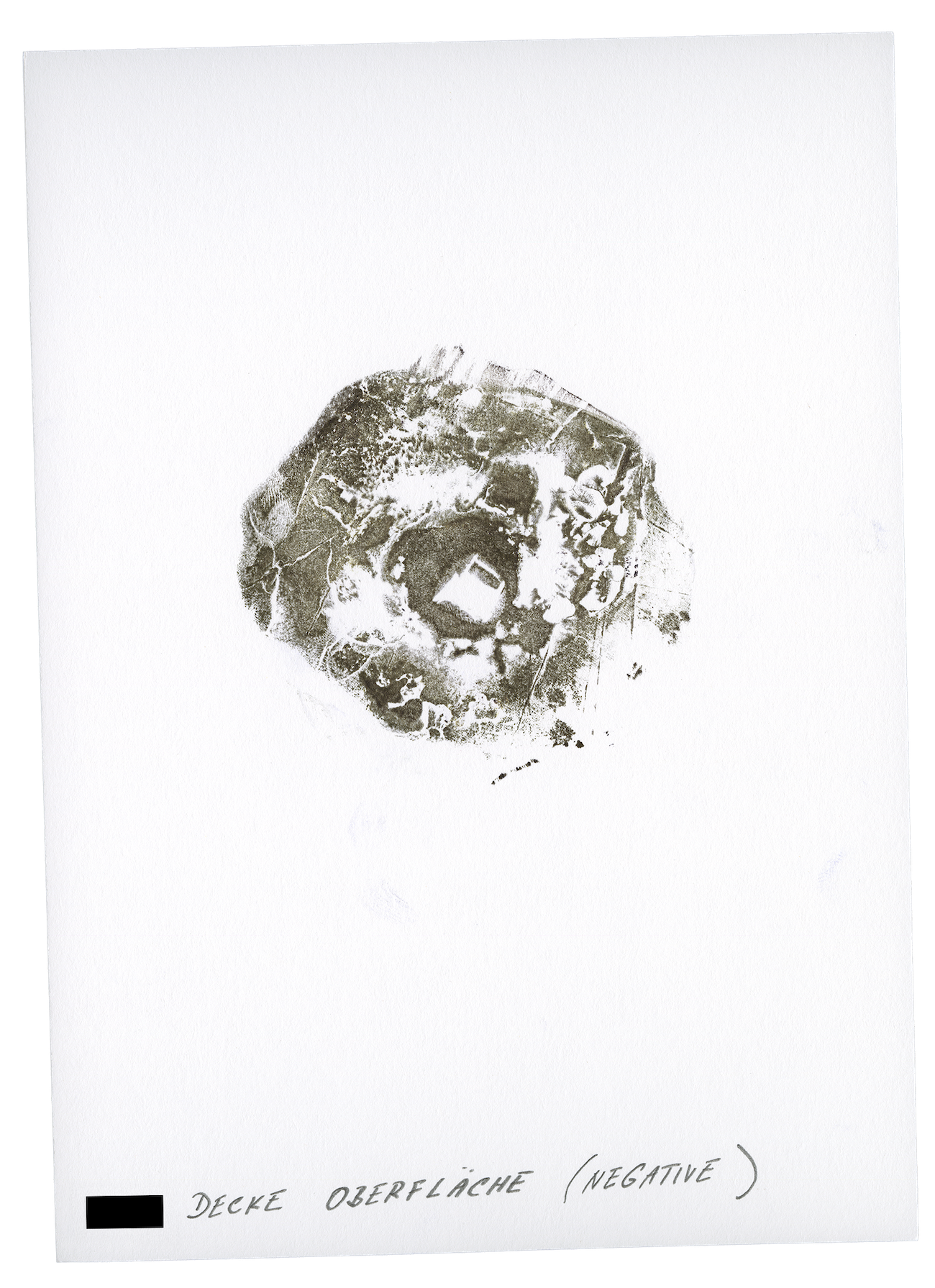
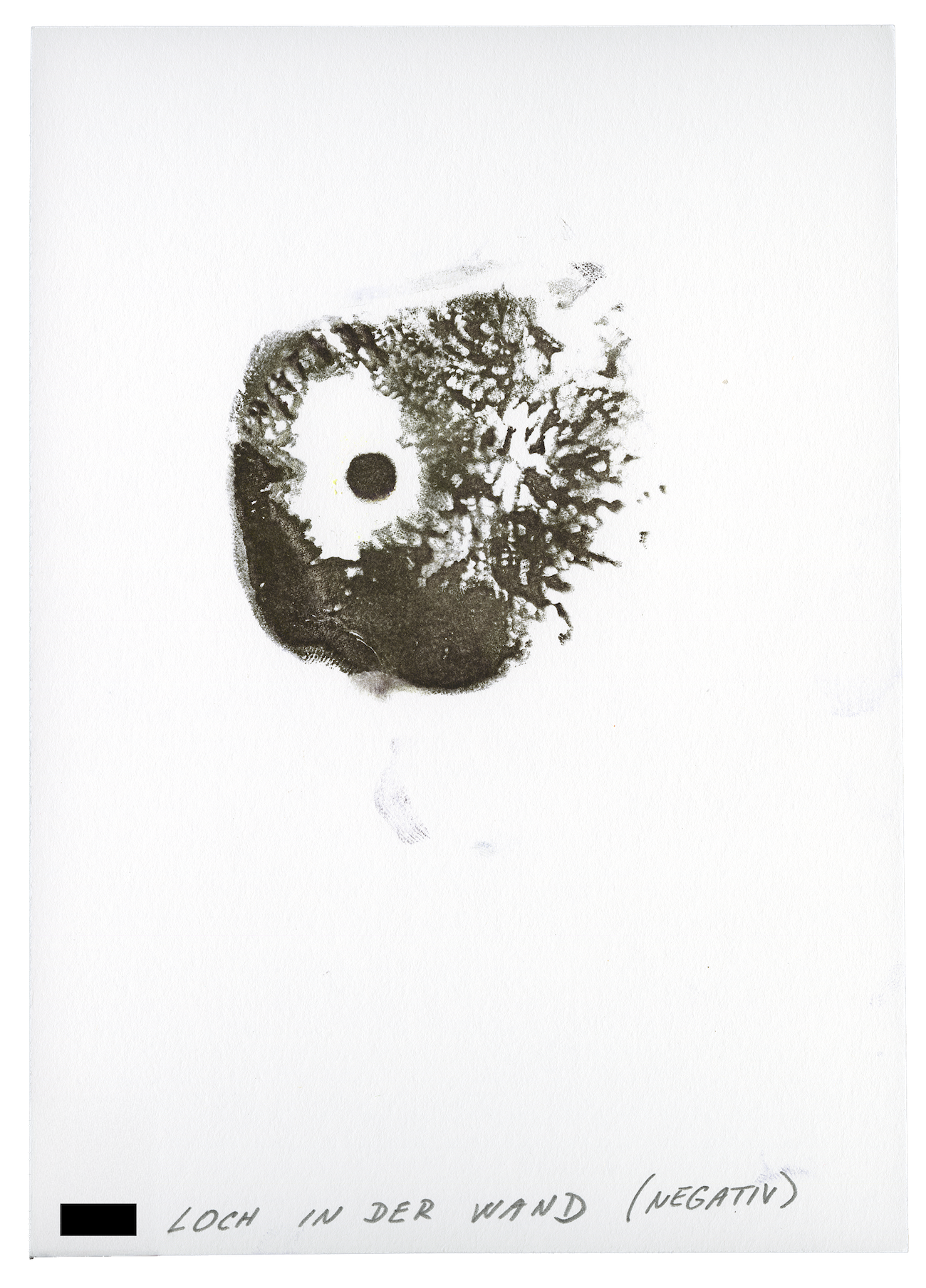
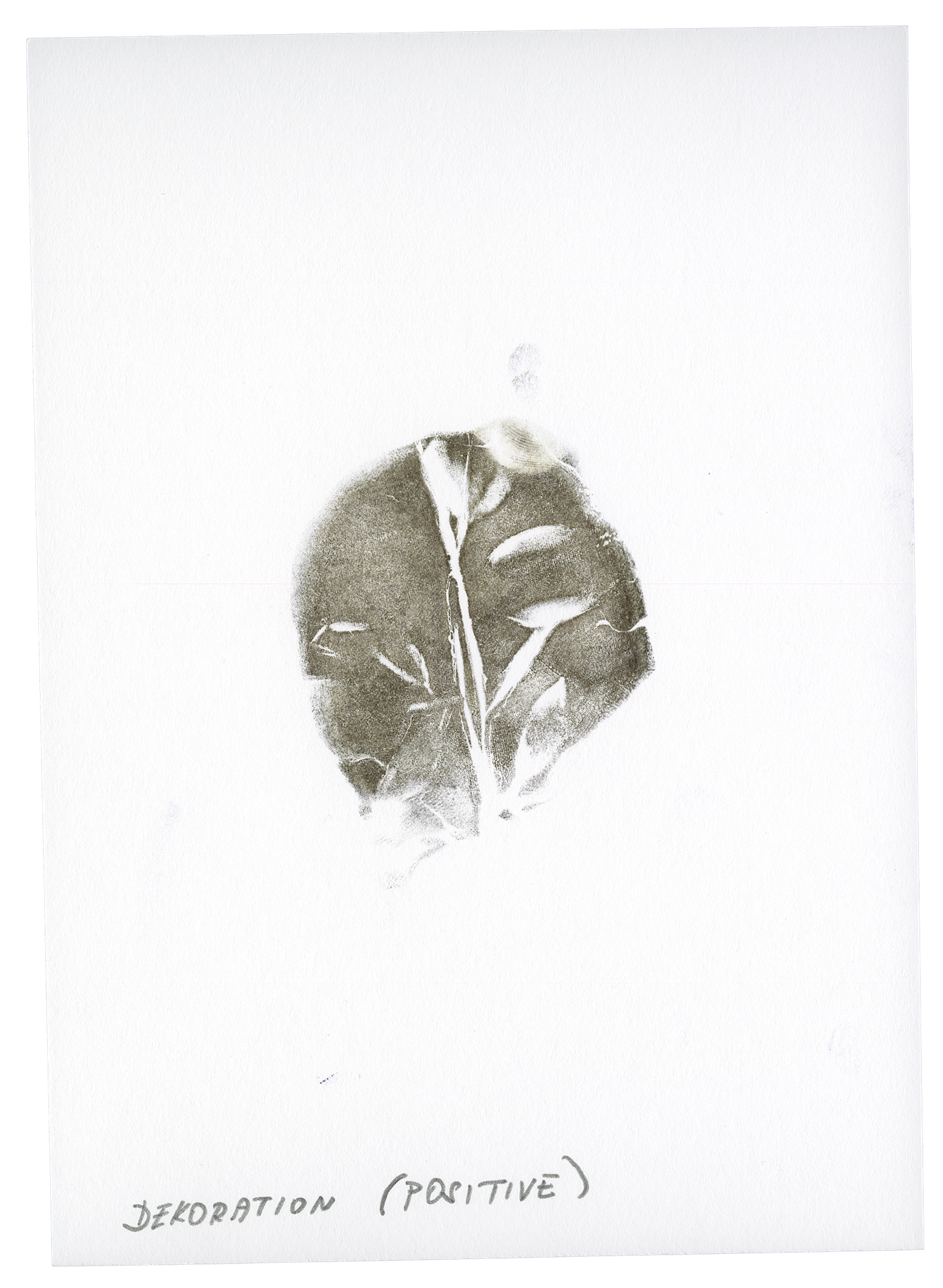
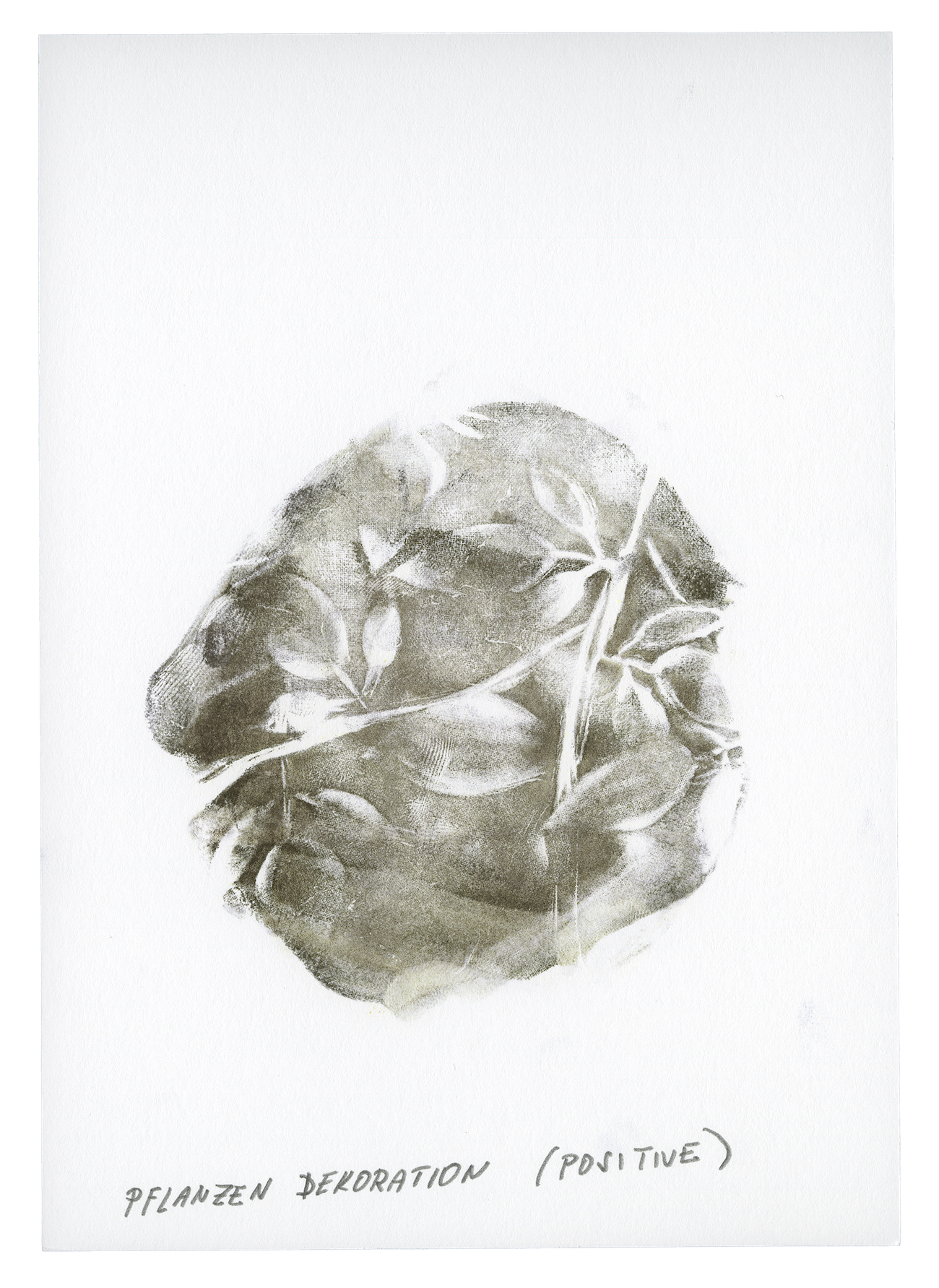
In the context of the penal system, the voices of people affected by incarceration are often mediated, restricted, or silenced. It was therefore important for this research project to create a space in which these voices could be heard and their perspectives on prison architecture could become tangible. For these reasons, I designed a workshop that allows for visual forms of expression and knowledge production. Through a visual exploration of prison architecture, the workshop seeks to reflect the sensory, spatial, and emotional dimensions of incarceration from the perspective of those who experience it directly.
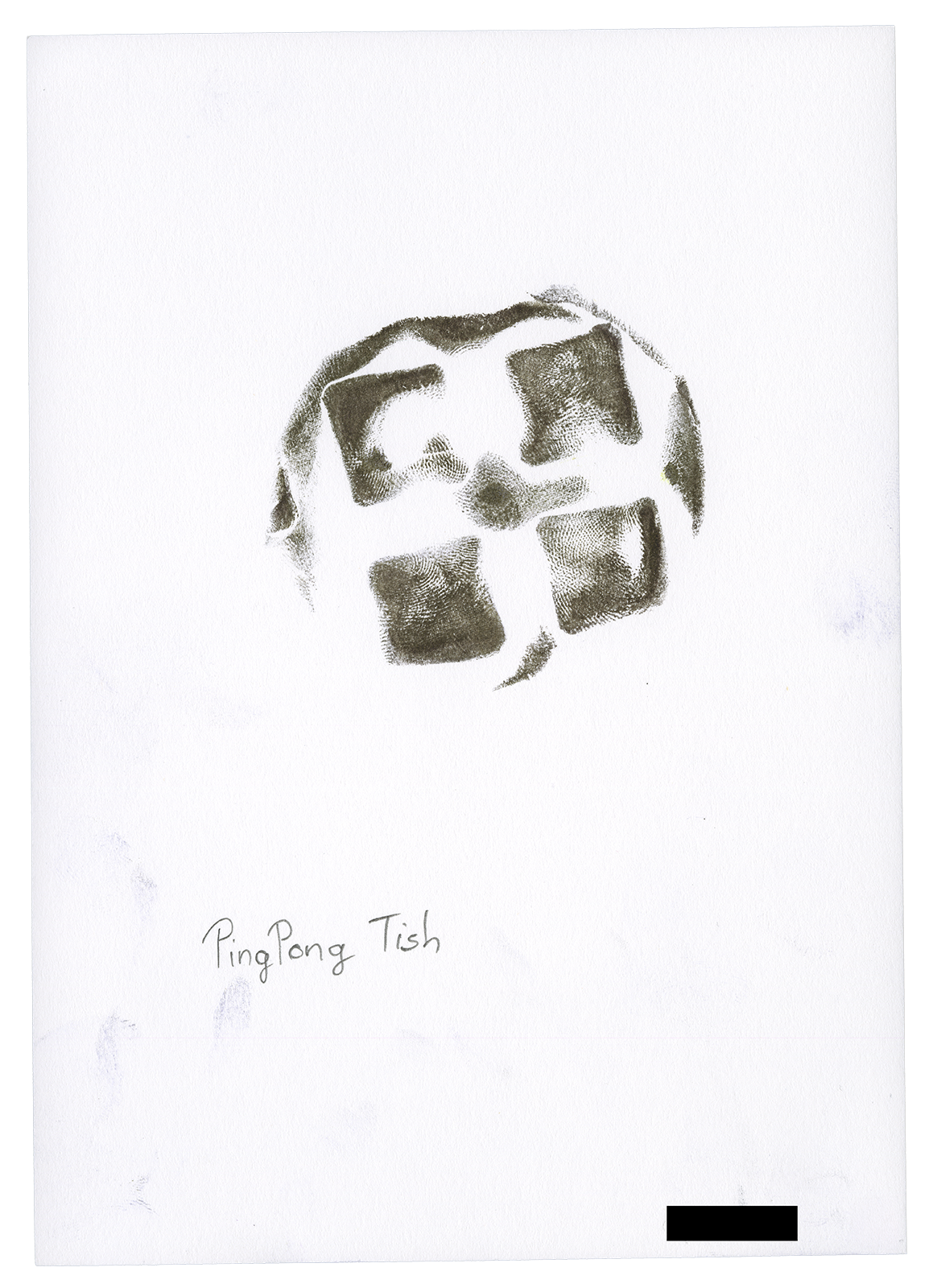
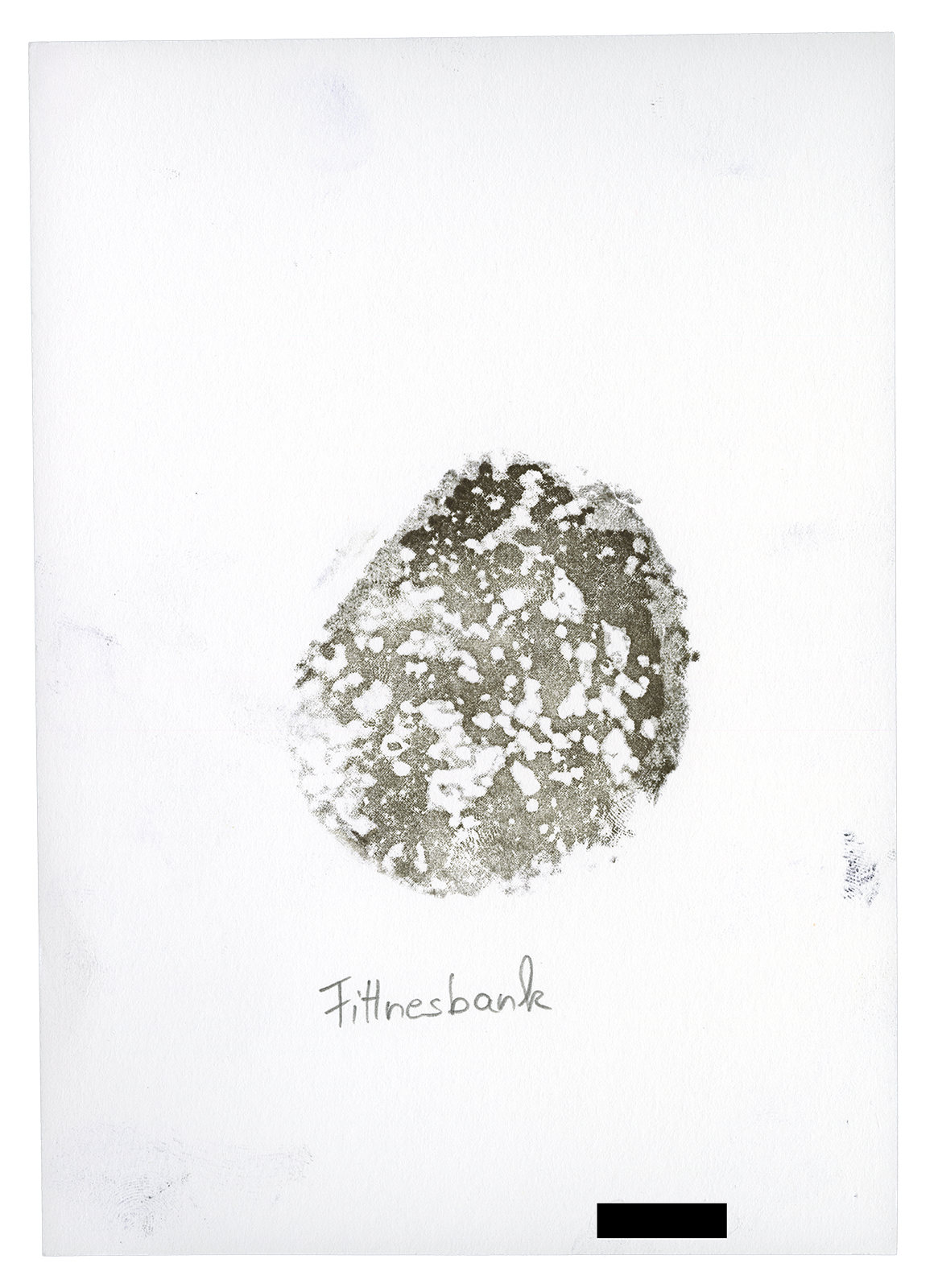
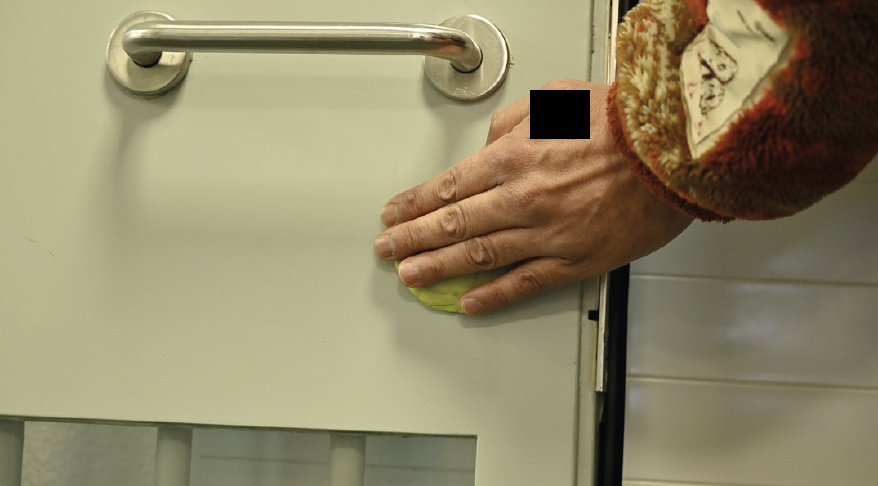
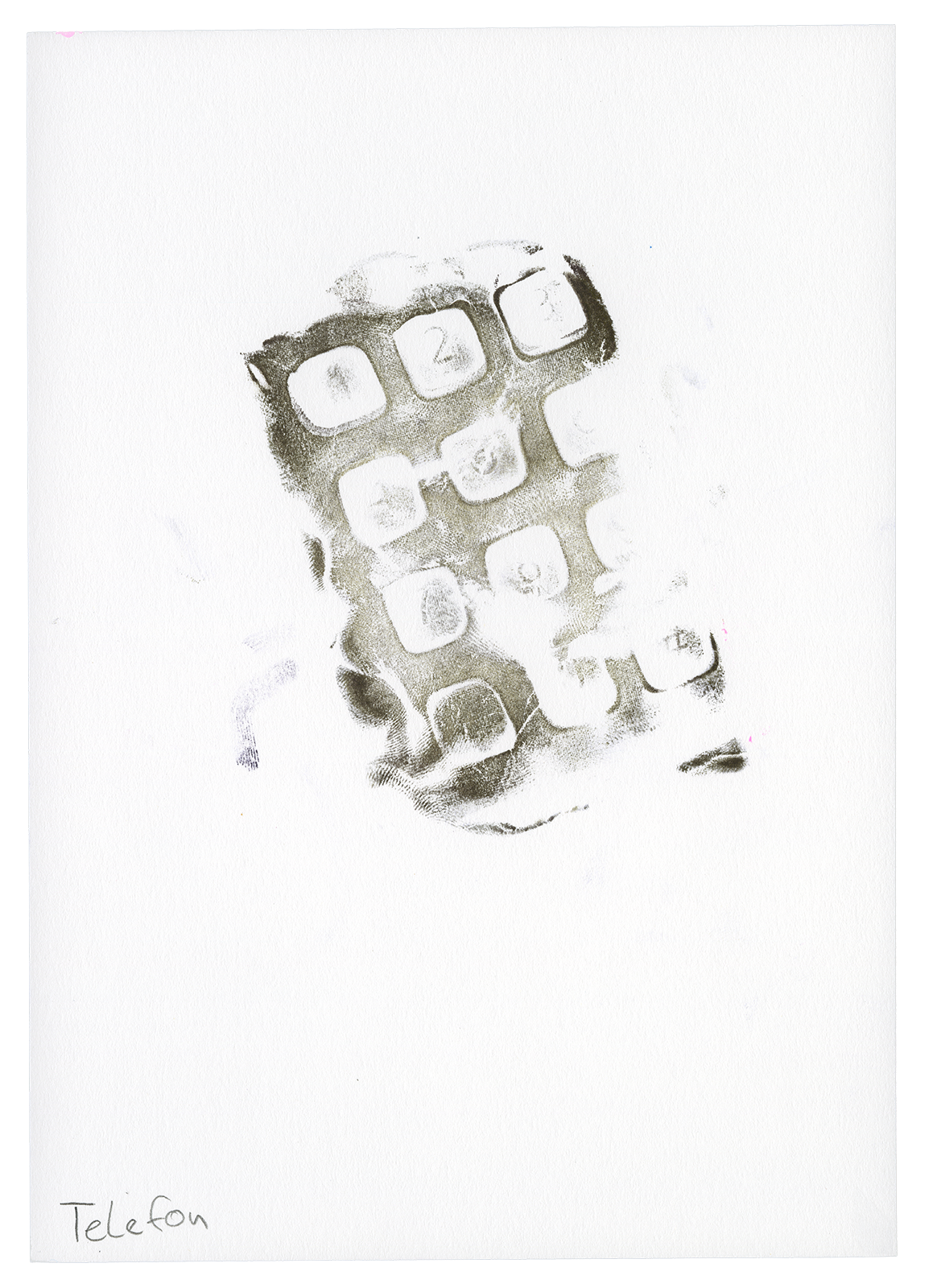
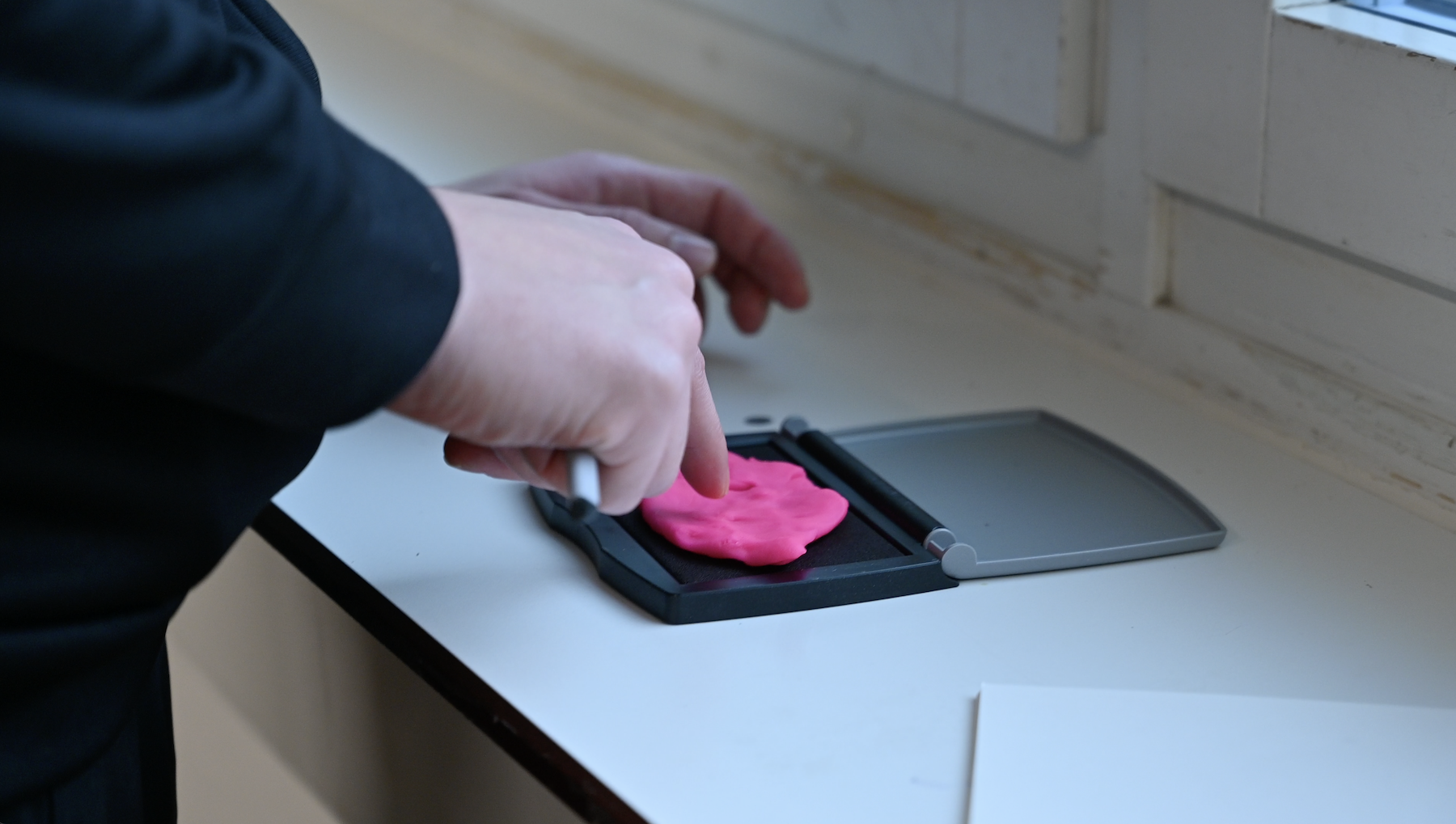
Each participant was given modeling clay, paper, a pen, and an ink pad. Over three hours, they were invited to move through their environment and take impressions of surfaces and objects using the clay, then transfer these onto paper using the ink pad. They could add written annotations, titles, or anyother marks they chose. The prints capture something an interview could not—a direct, physical engagement with the space. Each person developed their owntechnique and left their own traces: fingerprints, handling marks, names, cellnumbers, titles. The results are both documentation and self-inscription.
The participants in this project appear here under pseudonyms, assigned based on the languages they spoke and the nationalities I inferred from them.
For a more extensive version of this chapter, download the full text.
Throughout my research, it has become clear that life in prison is made distressing by a variety of factors, including the endless repetition of daily routines and the near-complete loss of autonomy—both of which are reinforced by the architecture. For this reason, moments of novelty, unfamiliarity, and contemplation take on particular significance. The workshop responded to this condition by introducing a small deviation from everyday life and offering a playful, experimental form of engagement that is rarely possible within such a highly regulated environment.
At the same time, the workshop took place within a field of conflicting intentions and purposes. The aims of my thesis—to foreground the perspectives of incarcerated individuals and to emphasize that they are, first and foremost, human—stood in contrast to the restrictions of the institution. These constraints were especially palpable in the context of pre-trial detention, where legal proceedings are still ongoing and anonymity is therefore particularly important.
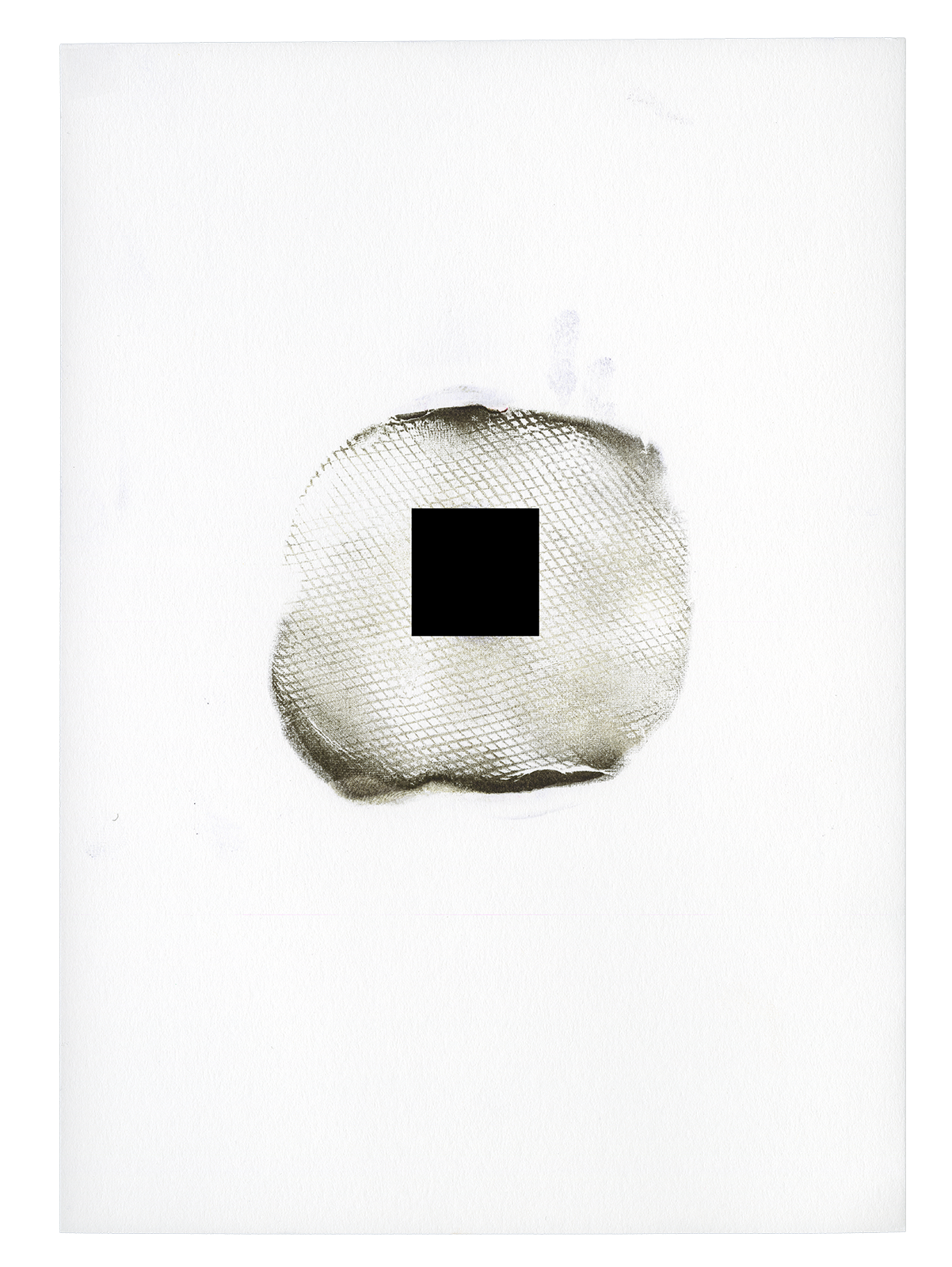
This tension became particularly visible in the documentation of the workshop. I was not permitted to show participants’ facesor reveal their names, even though some participants explicitly allowed me touse their names and wrote them on their prints. I was also instructed to censor identifying features, such as tattoos visible on participants’ hands, and to remove all voices from the recordings. In addition, elements that had already been erased by staff on the original print sheets—such as names and cellnumbers—remained visible in the high-resolution scans I had made. These traces were subsequently redacted as well, resulting in multiple layers of censorship.
5 prints by Tomáš
Reproduced with consent
Pre-Trial Detention 3, 2026
Prints:
Spiegel Rand (Negativ), Mirror Edge
Decke Oberfläche (Negative), Ceiling Surface
Loch in der Wand (Negativ), Hole in the Wall
Dekoration (Positive), Decoration
Pflanzen Dekoration (Positive), Plant Decoration
Video documentation of the workshop.
No audio to protect participant anonymity.
Jakub
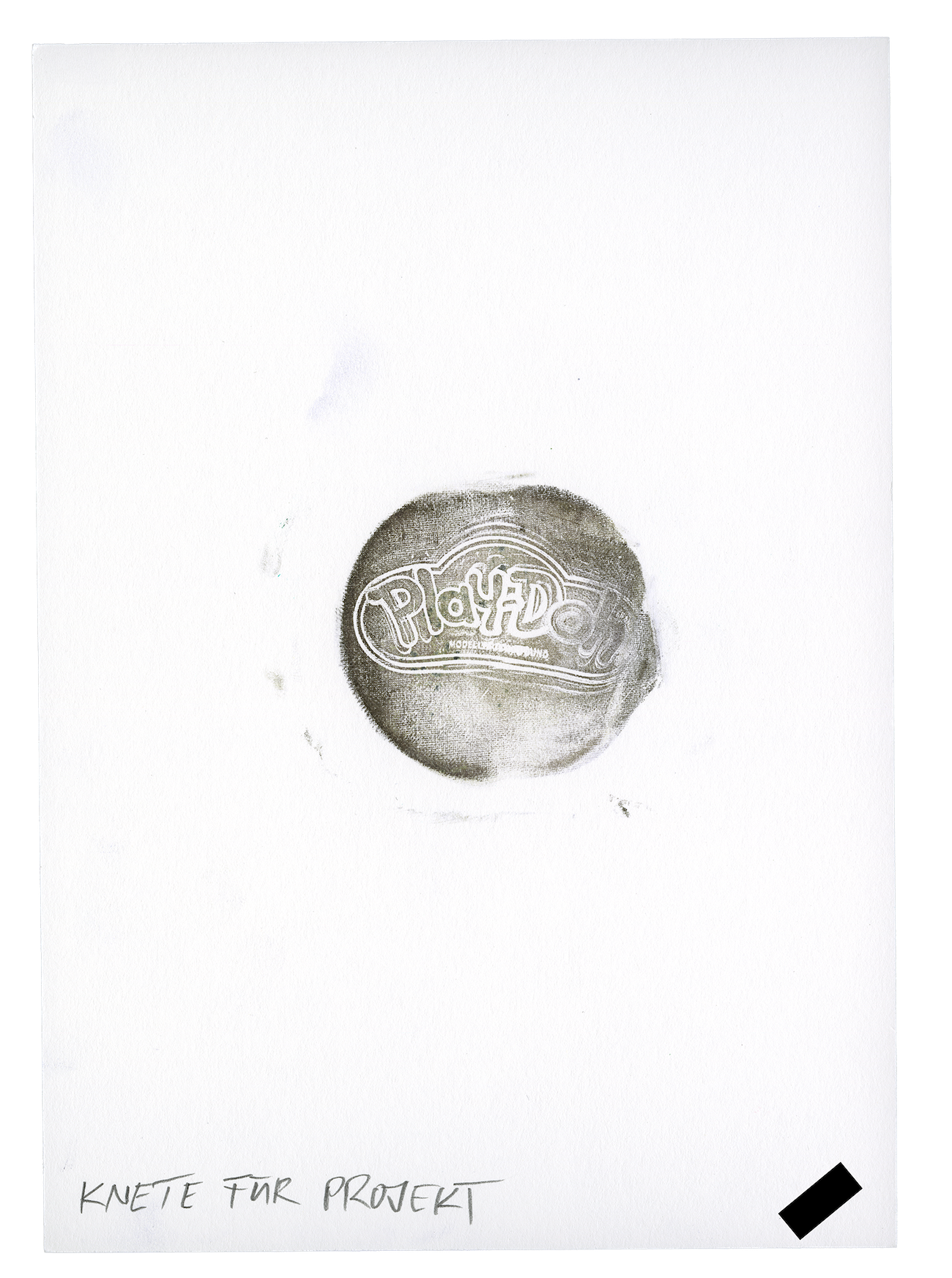
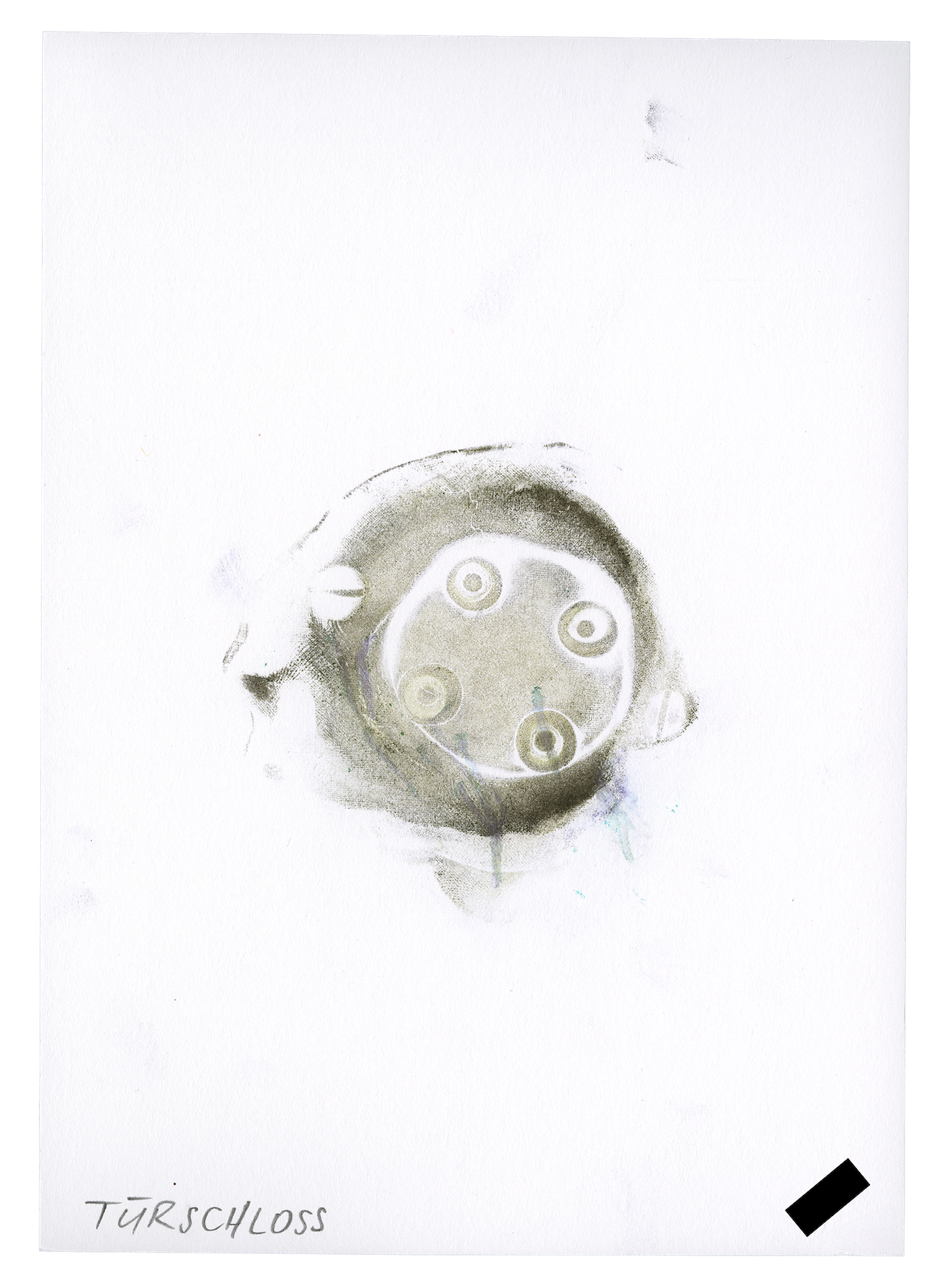
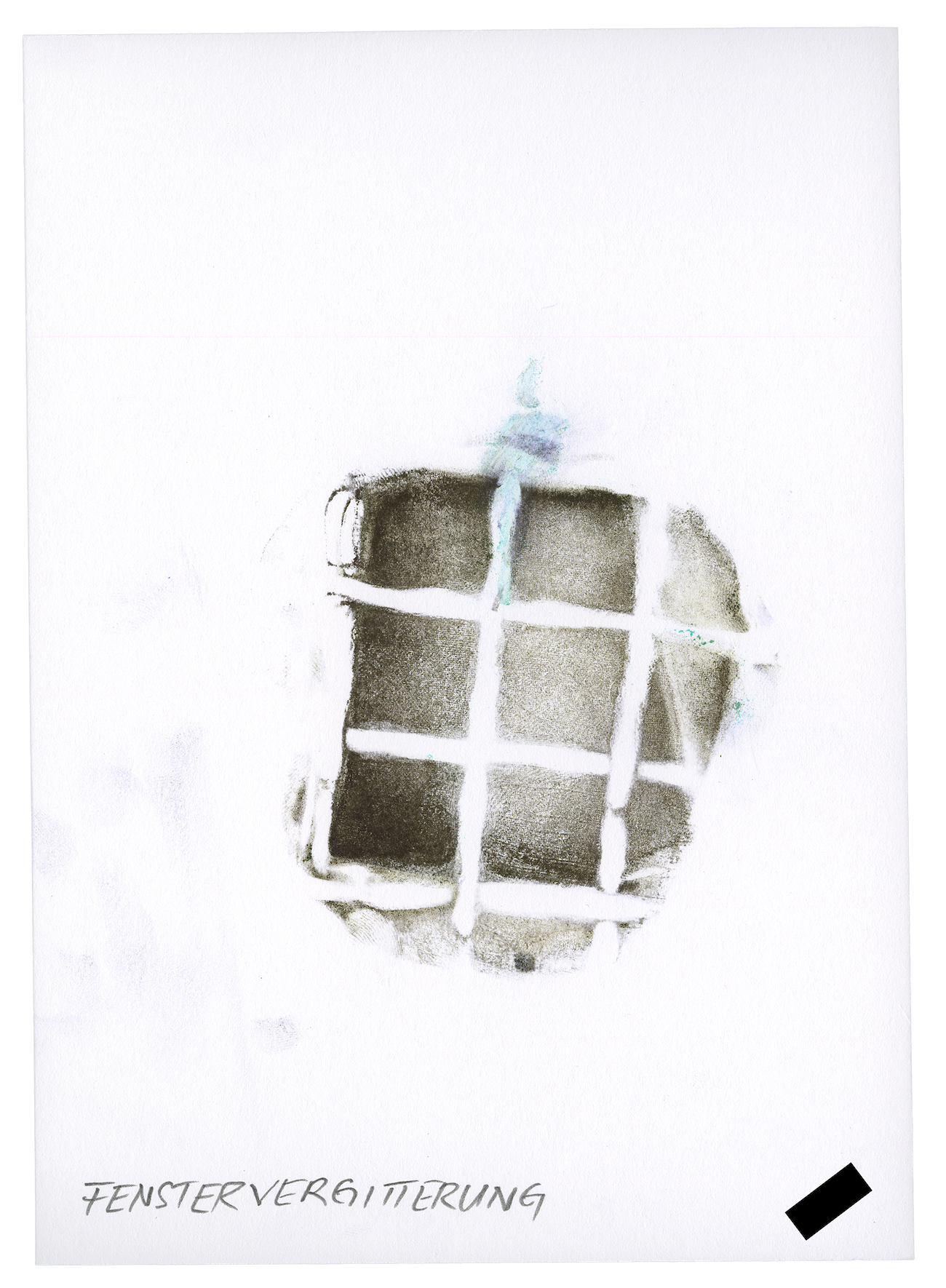
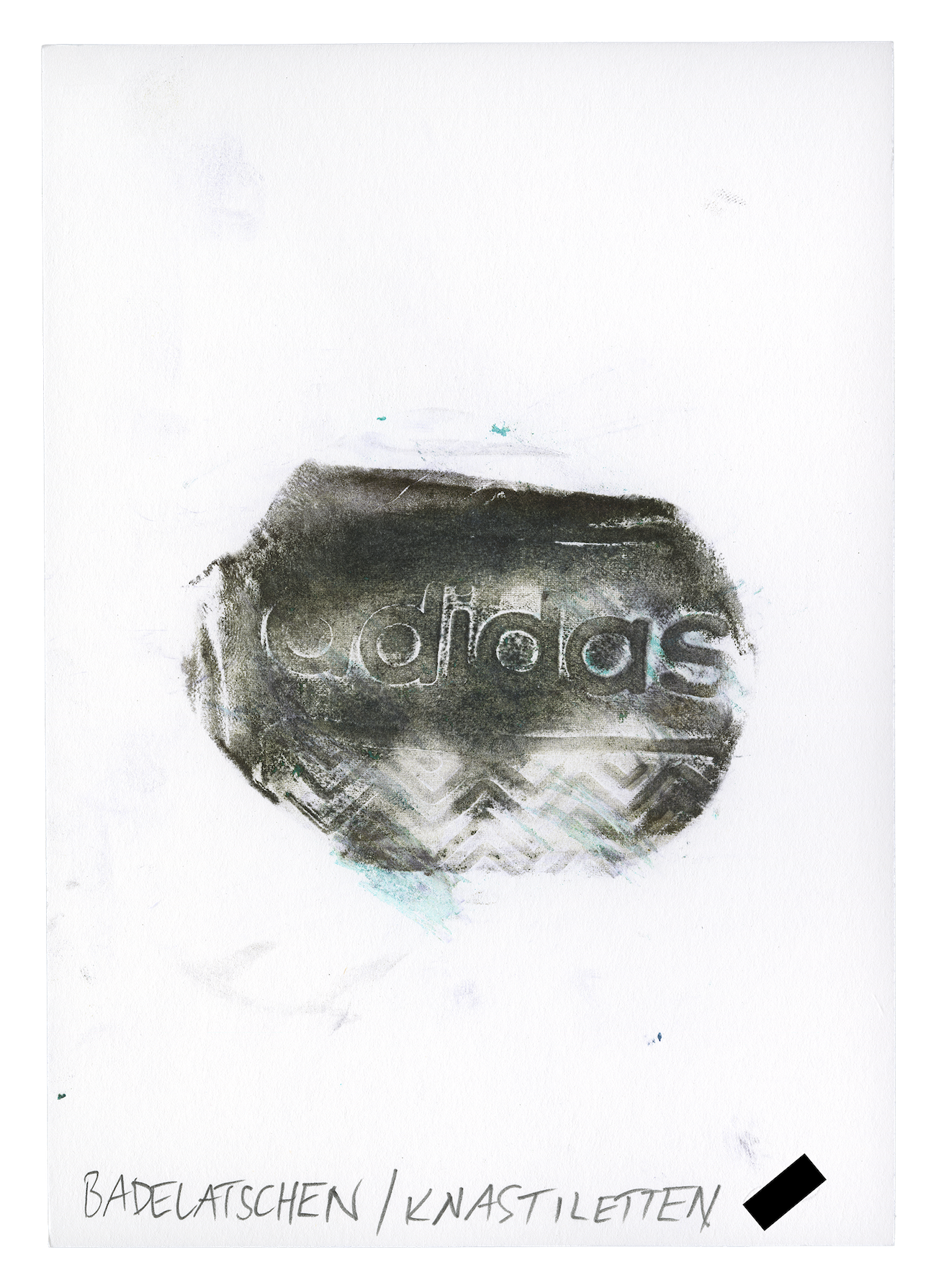
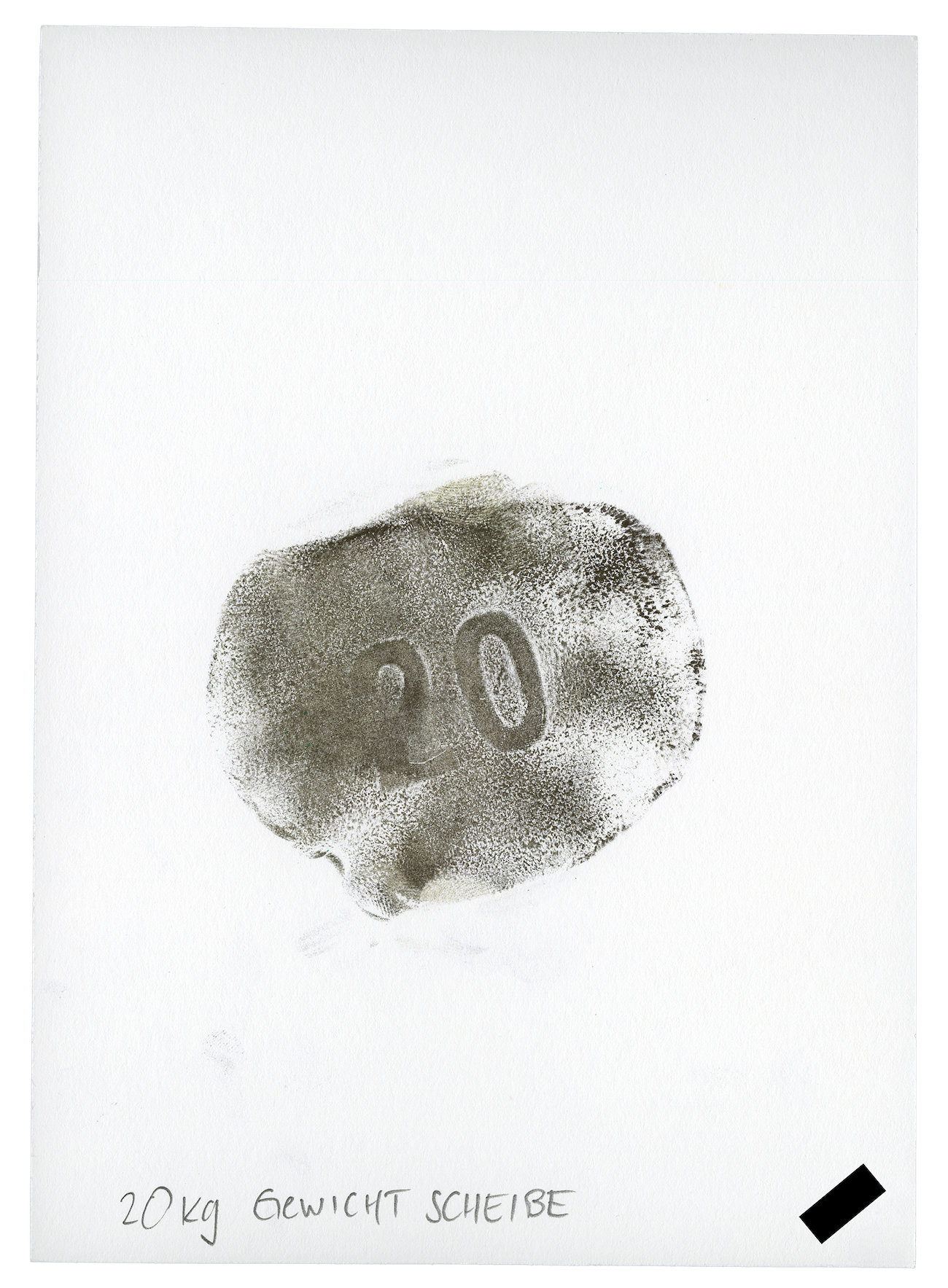
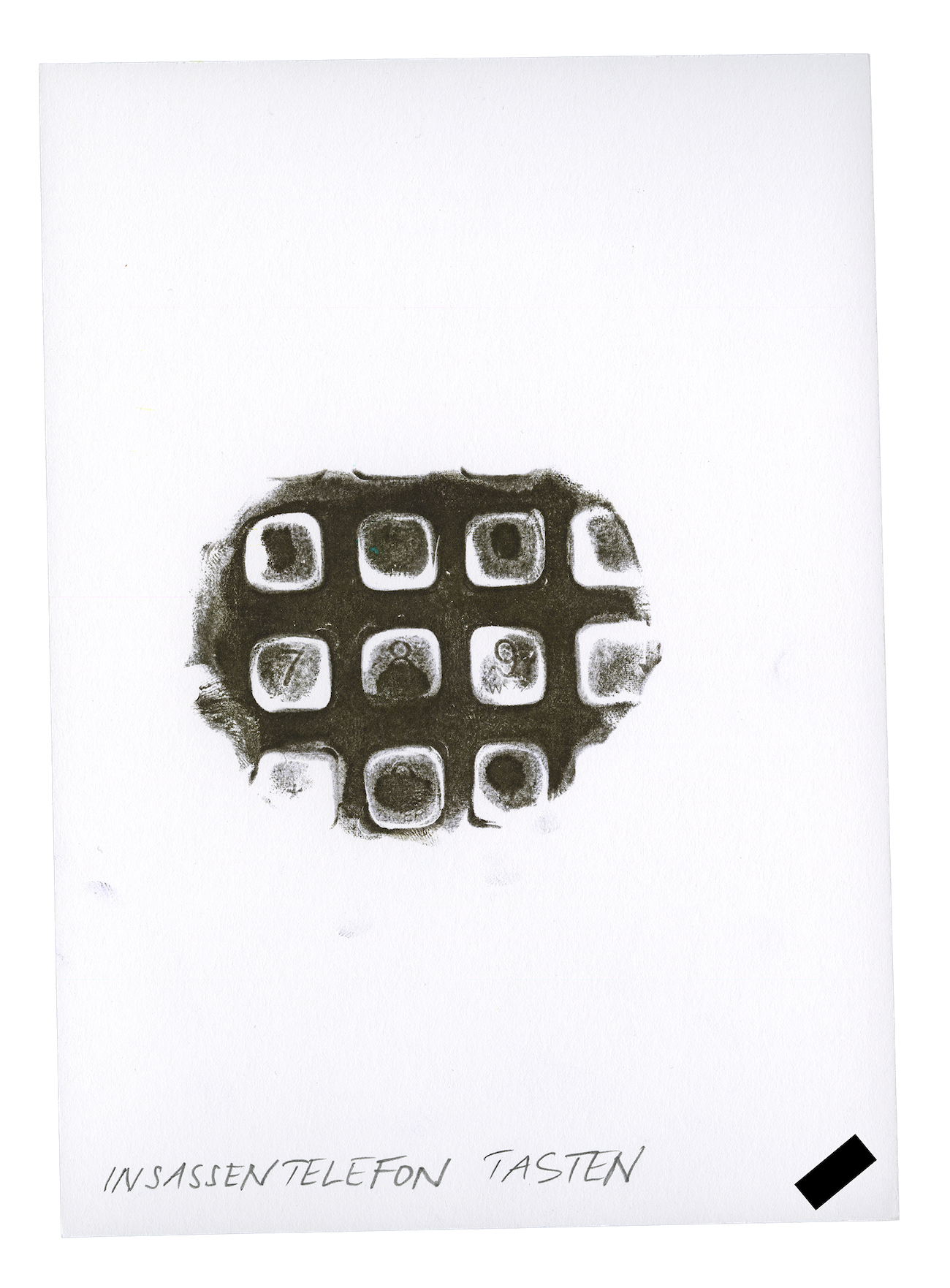
selected a mix of security-related and everyday objects, including the door lock, window bars, prison slders, telephone buttons, and a 20 kg weight plate. His successful imprint of a door lock—despite it being prohibited—highlights the omnipresence of architectural boundaries and control mechanisms. Alongside these, he also documented the workshop itself by making an imprint of the lid of the modeling clay container itself (Knete für Projekt). He labeled his prints with his cell number.
6 prints by Jakub
Reproduced with consent
Pre-Trial Detention 3, 2026
Prints:
Knete für Projekt, Playdough for Project
Türschloss, Door Lock
Fenstervergitterung, Window Bars
Badelatschen/Knastiletten, Shower sliders/Prison Sliders
20kg Gewischt Scheibe, 20kg Weight Plate
Insassentelefon Tasten, Inmate Telephone Buttons
Video documentation of the workshop.
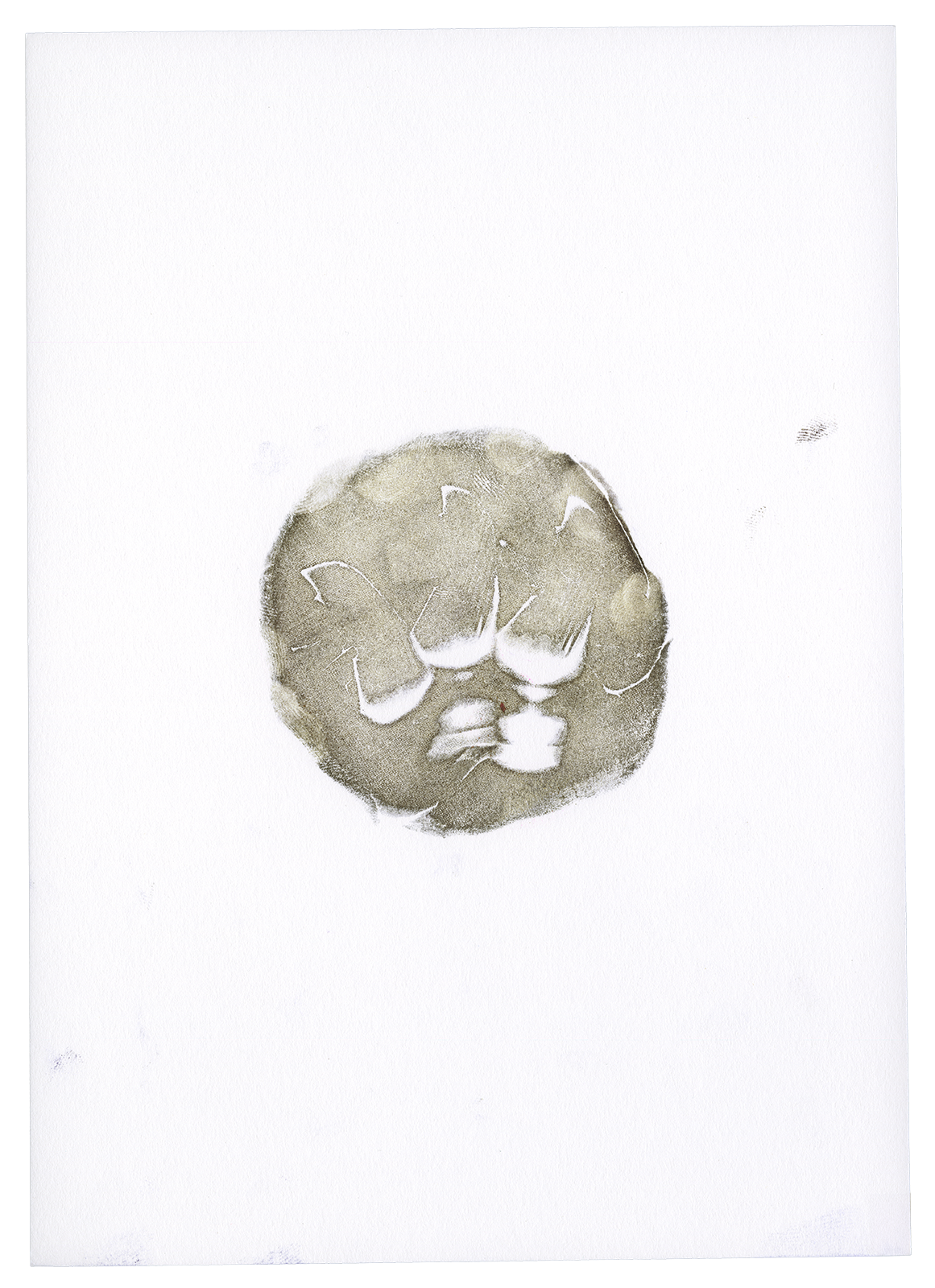
Lorenzo
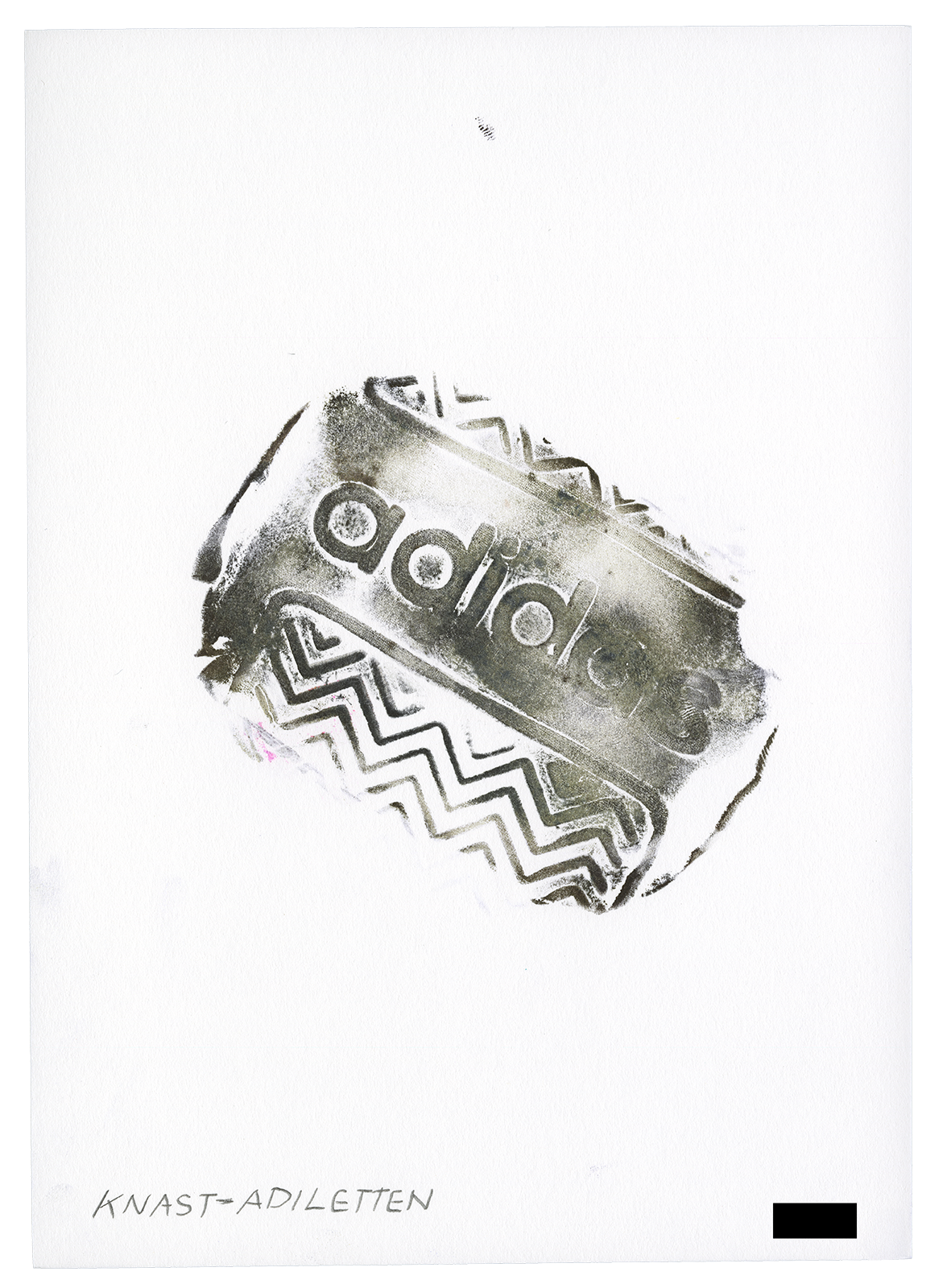
selects personal, everyday objects and symbolic motifs for his prints. Central among them are the Knast-Adiletten (prison “sliders”), which—as he explained to me in conversation—he perceives as inferior compared to the Birkenstocks he used to wear. He describes the plastic material as unpleasant because it makes him sweat more quickly and does not feel as comfortable as the natural material of his Birkenstocks. He would like to replace them, but cannot afford to do so.
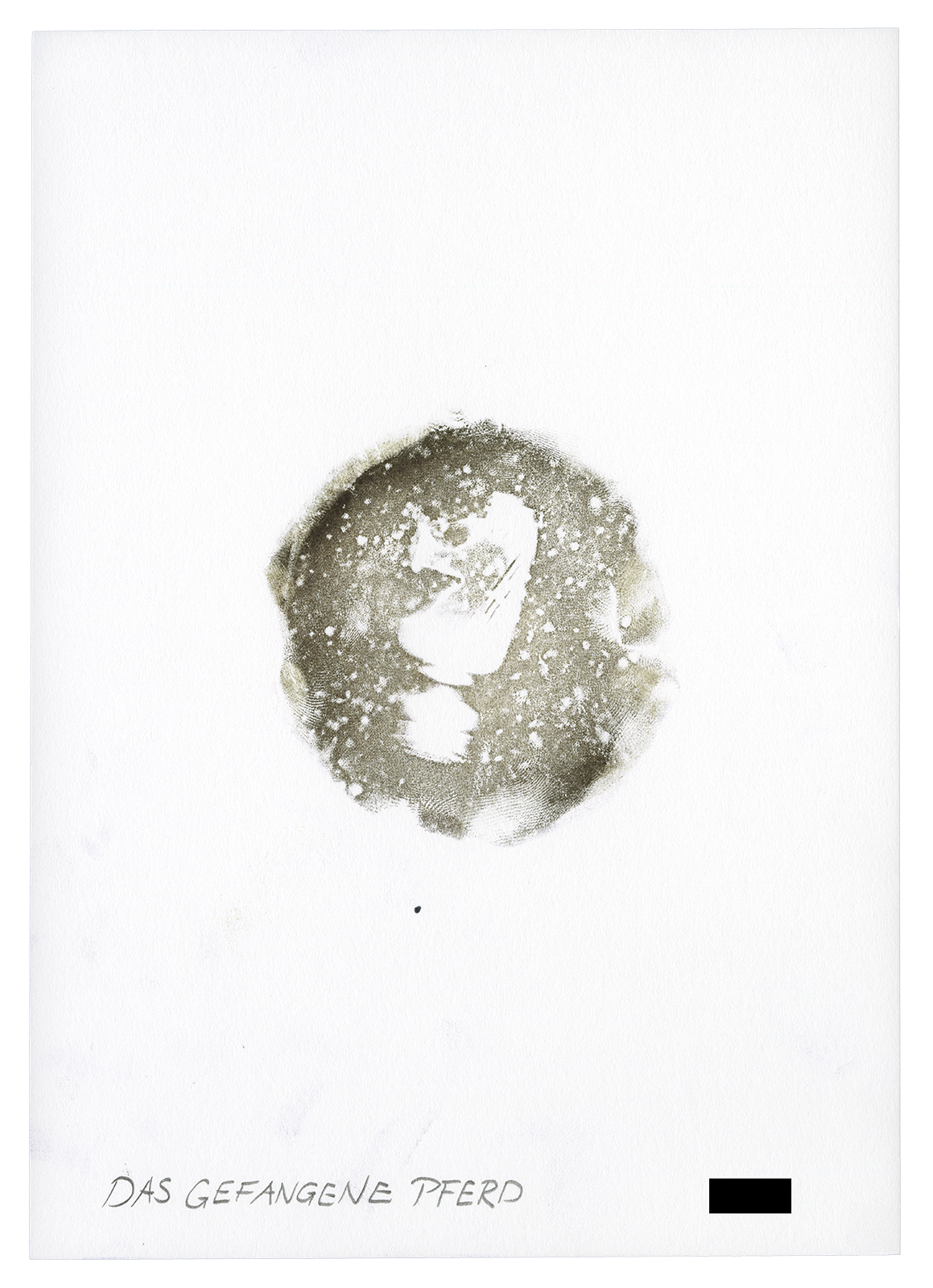
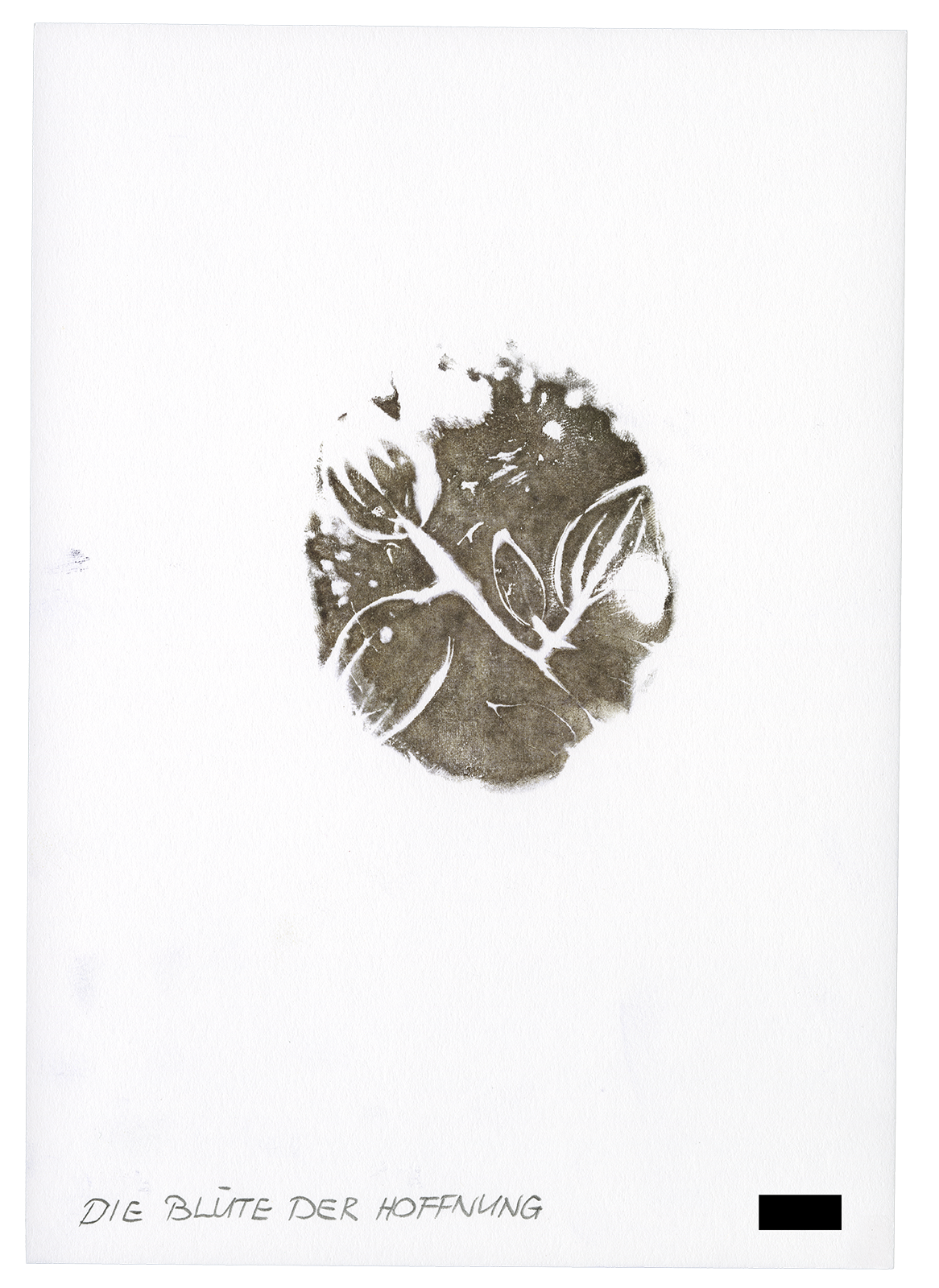
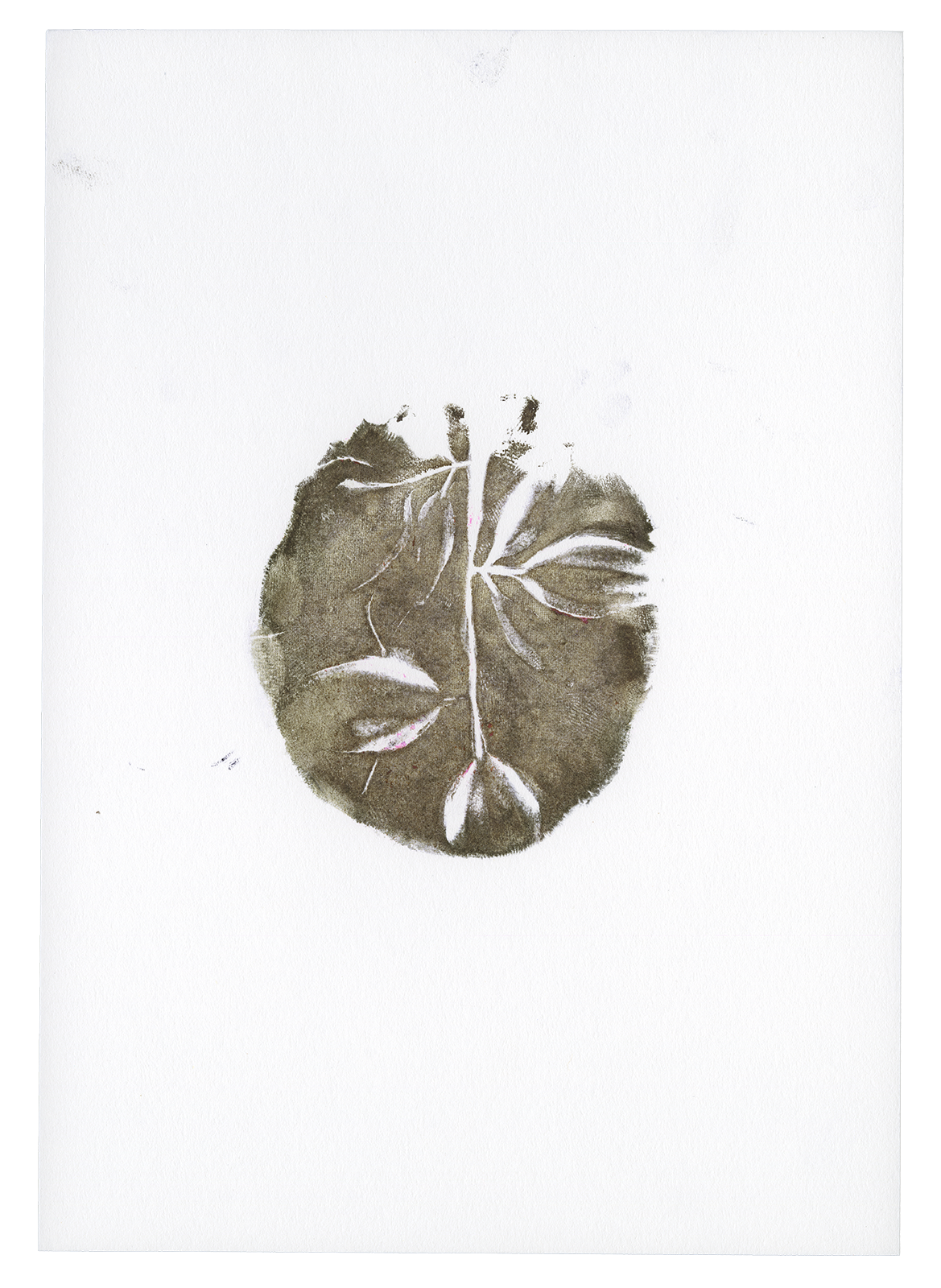
At the same time, he titles his prints Die Blüte der Hoffnung (The Blossom of Hope) and Das Gefangene Pferd (The Captured Horse), which he assigns to prints of plastic plants and the “knight” chess piece. These titles suggest an imaginative engagement with his situation what could be read as expressing longing, restriction, and a desire for escape. His conscious decision, in his own words, to become “poetic” can be understood as an attempt to introduce an additional layer of meaning into an otherwise limited space.
He also makes an imprint of the structure of a handle of a piece of equipment from the fitness room. He then places a fingerprint on the center of the print. He layered the impersonal with the personal. The imprint of the fitness equipment handle captures a repetitive, institutional object—something standardized, shared, and tied to routine bodily discipline. By adding his fingerprint onto this structured surface, he inscribes his own identity onto an otherwise anonymous and regulated environment.
Lorenzo labeled his prints with his cell number.
6 prints by Lorenzo
Reproduced with consent
Pre-Trial Detention 3, 2026
Prints:
Knast-Adiletten, Prison-Sliders
Das Gefangene Pferd, The Captured Horse
Untitled
Die Blüte der Hoffnung, The Blossom of Hope
Untitled
Untitled
Documentation of the workshop.
Censored to protect participant anonymity.
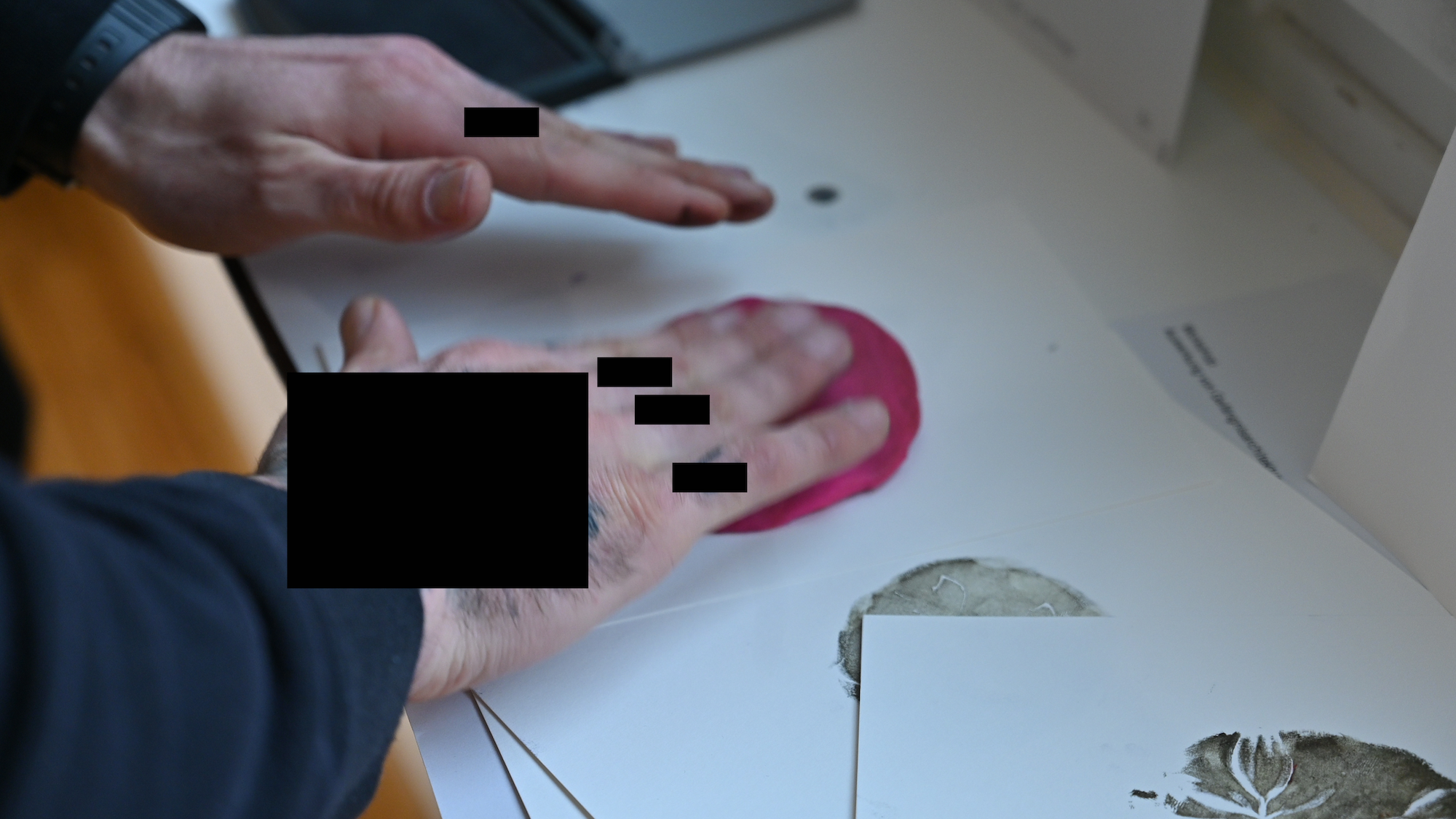
Pablo
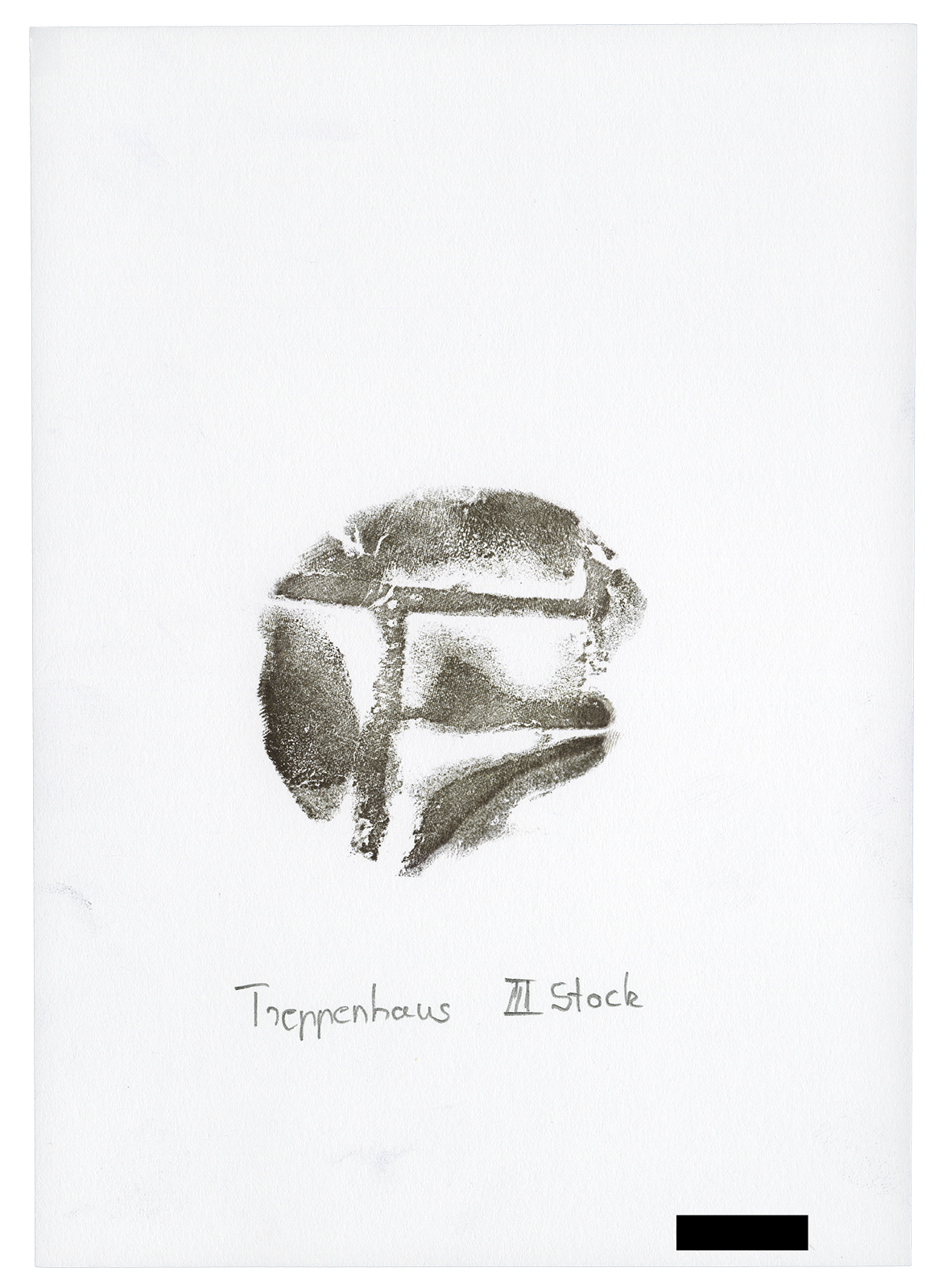
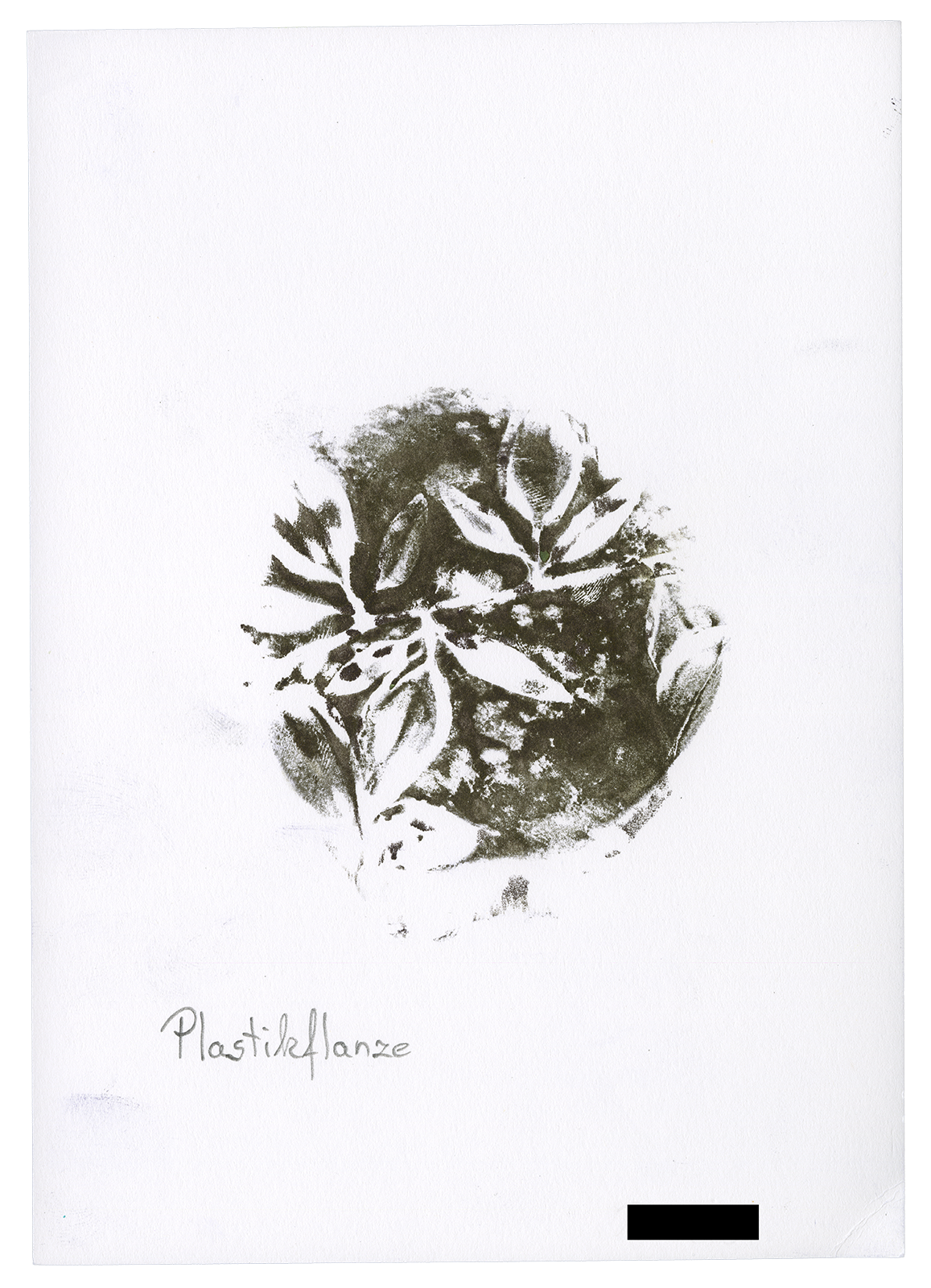
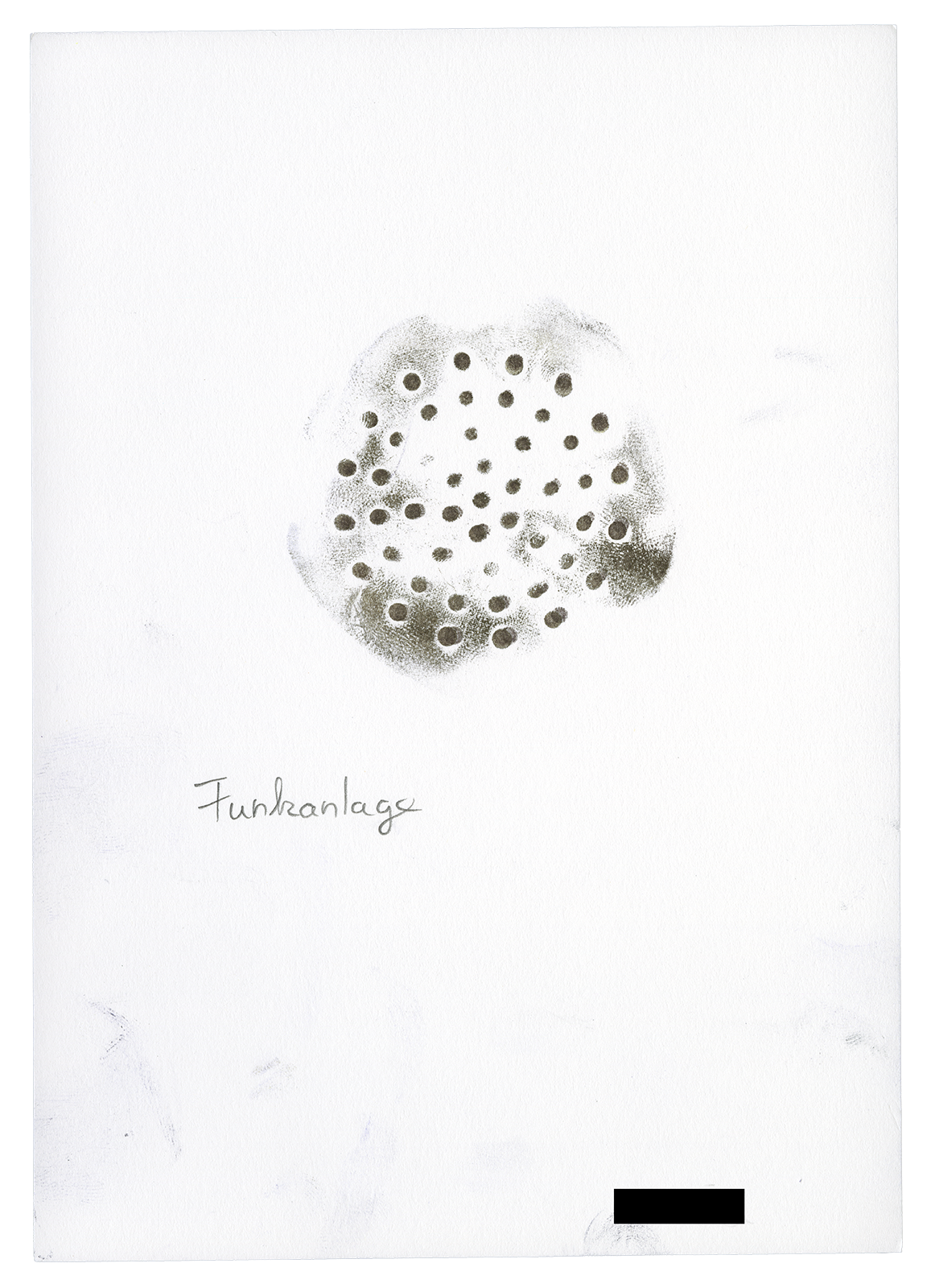
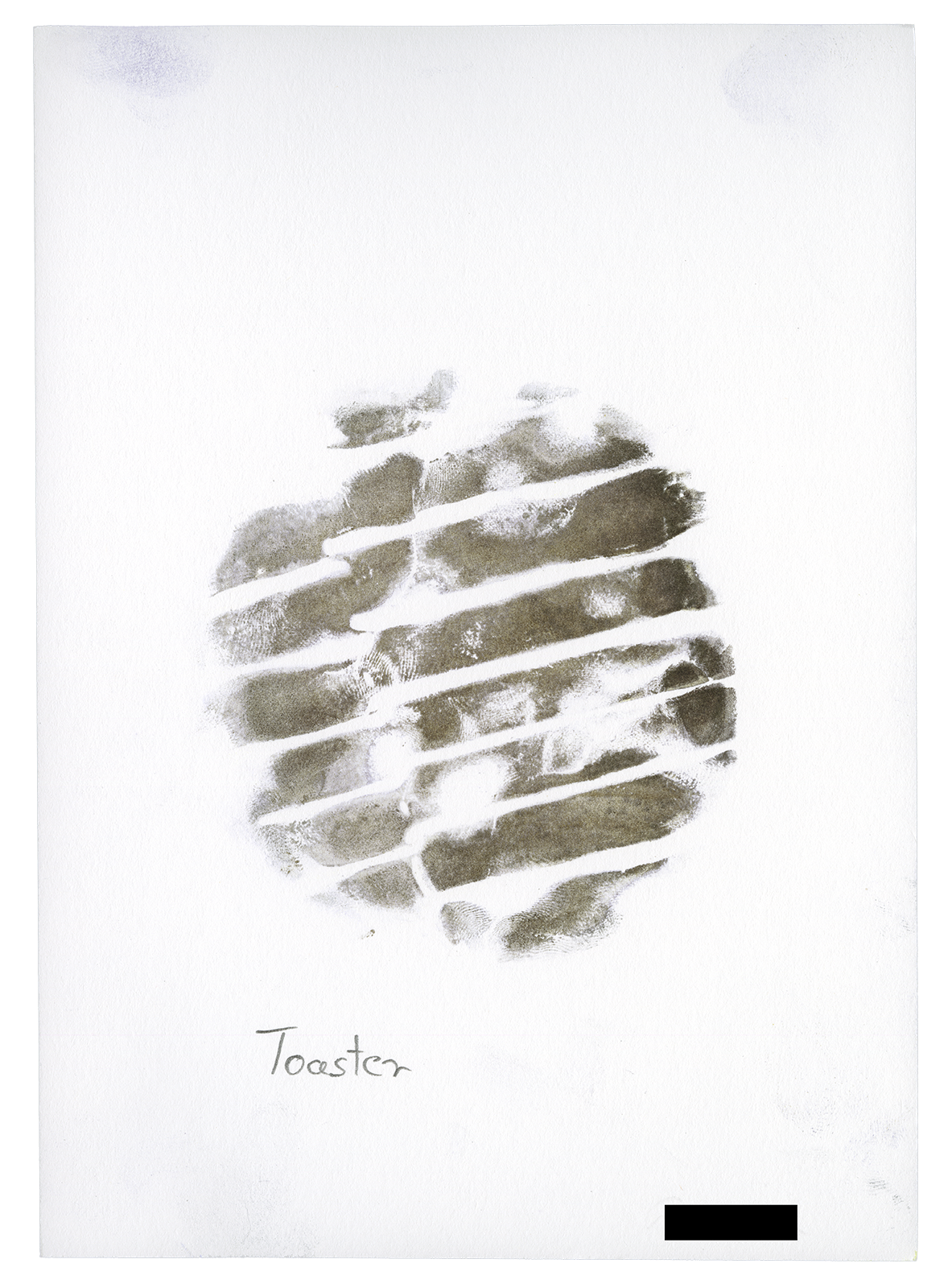
focuses on a range offunctional and everyday elements of prison life, including a toaster, stairwell, as well as recreational and training equipment.
Notably, he does not label his prints himself but asks others to do so on his behalf. At the same time, he marks the prints with his first name, making a form of authorship and presence visible.
The Spanish-speaking man asks another participant to write the objectdescriptions on his sheets for him. He then adds his name himself. (Fieldnotes, PD3)
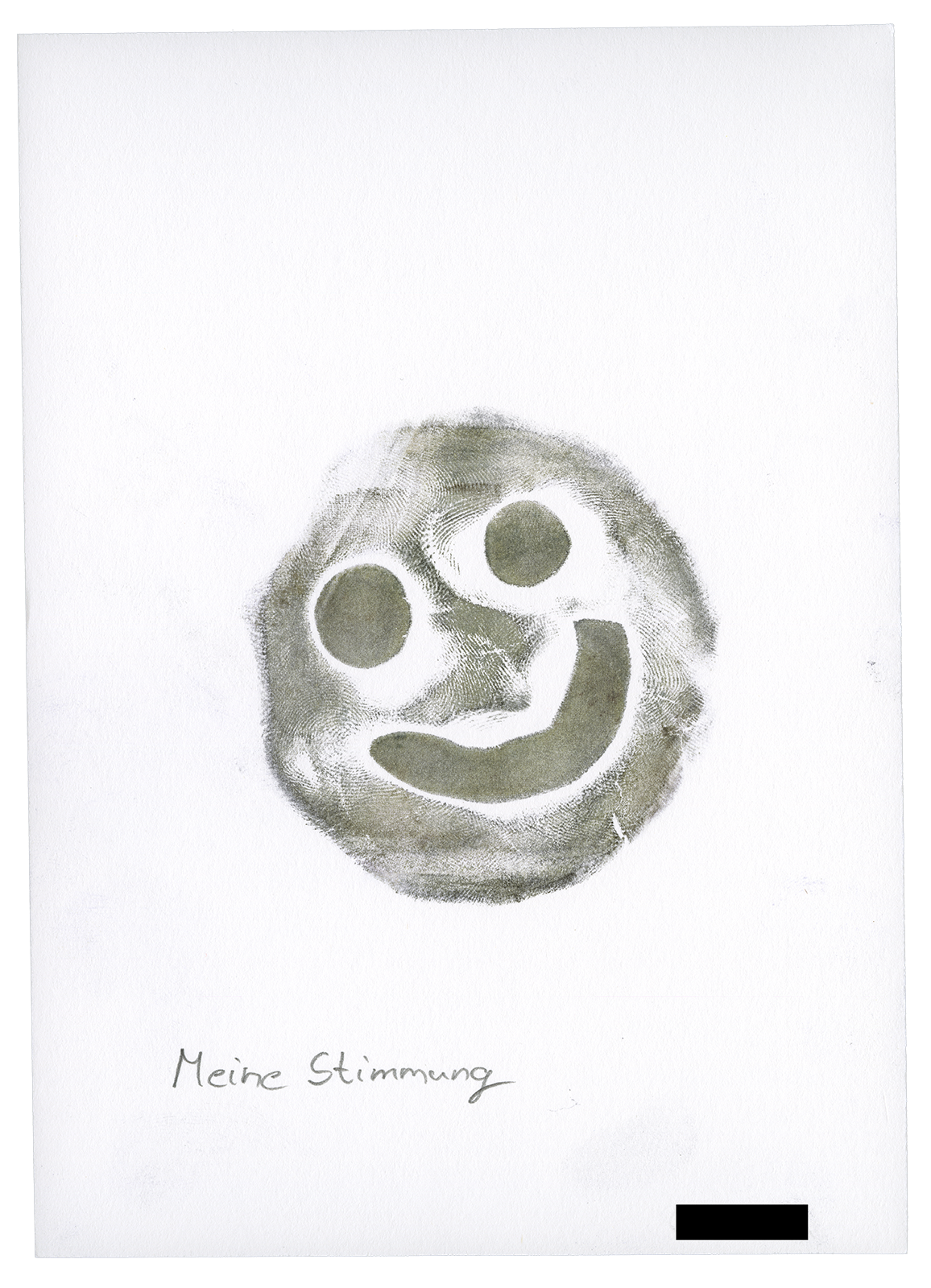
This tension is also evident in his work with the modeling clay itself: with the imprint titled Meine Stimmung (My Mood), he initially forms a smiley with upward-curving lips,which he then alters and passes on to another participant, which reads like acollective gesture.
Particularly striking is his attempt to take an imprint of a door lock which is subsequently destroyed by a supervisor. His complaint about this suggests a tension between his desire for expression and institutional restrictions.
We walk together with a man and a supervisor. The man climbs a fewstairs to the second floor and takes an imprint of a door lock. The doorseparates the corridor behind it from the stairwell. “The lock is forbidden,”the supervisor says. “Es prohibido,” he repeats several times in Spanish. Theman laughs and places his imprint on a windowsill. The supervisor then crushesthe imprint with a forceful fist-punch and repeats, “Es prohibido!” The manasks why. “Punto!” the supervisor replies, repeating it several times on theway back to the library. (Fieldnotes, PD3)
8 prints by Pablo
Reproduced with consent
Pre-Trial Detention 3, 2026
Prints:
Meine Stimmung, My Mood
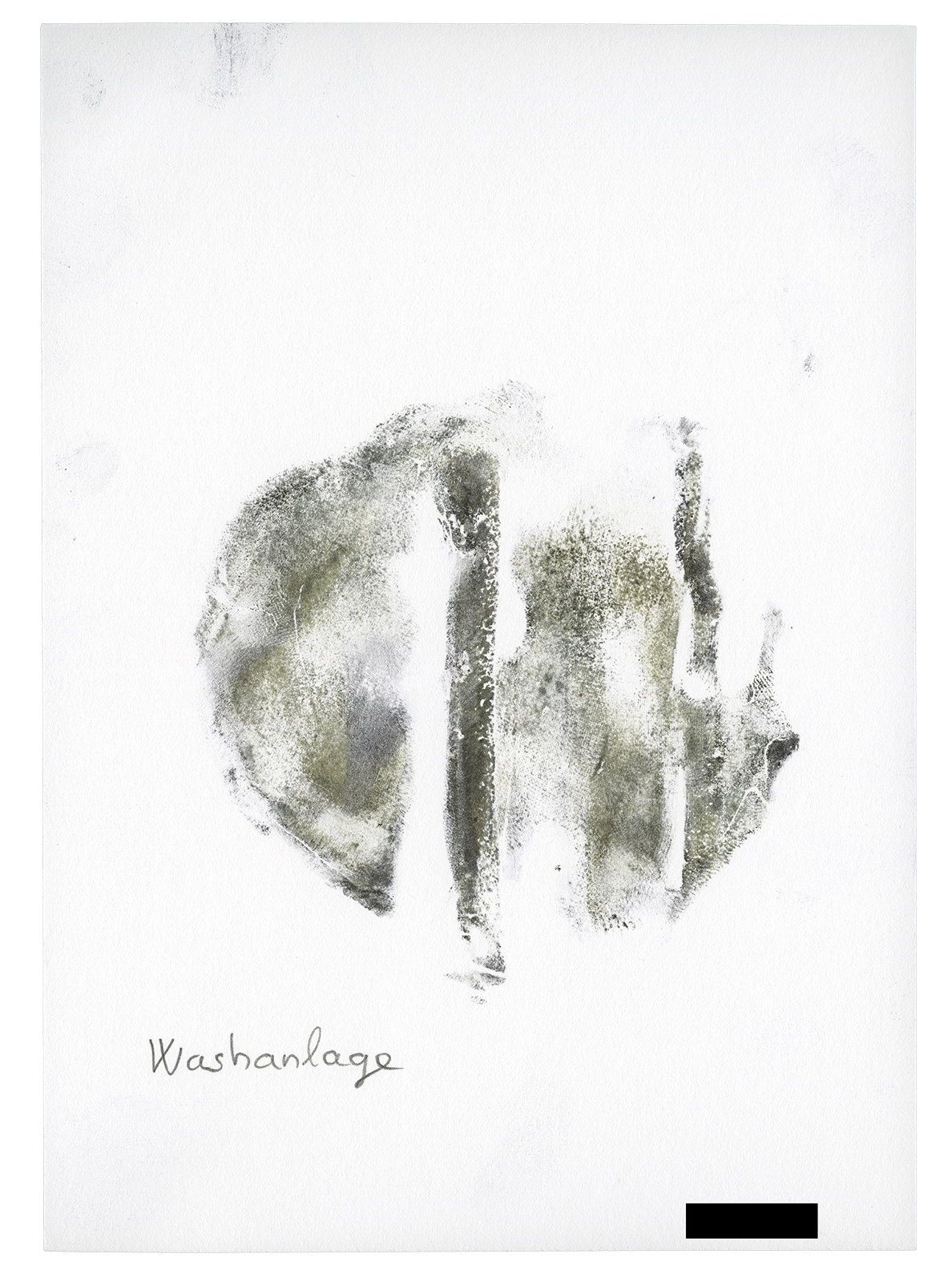
Washanlage, Washing Facility
Treppenhaus III Stock, Stairwell 3rd floor
Plastikpflanze, Plastic Plant
Funkanlage, Intercom
Toaster, Toaster
Ping Pong Tish, Ping Pong Table
Fittnesbank, Weight Bench
Documentation of the workshop.
Censored to protect participant anonymity.
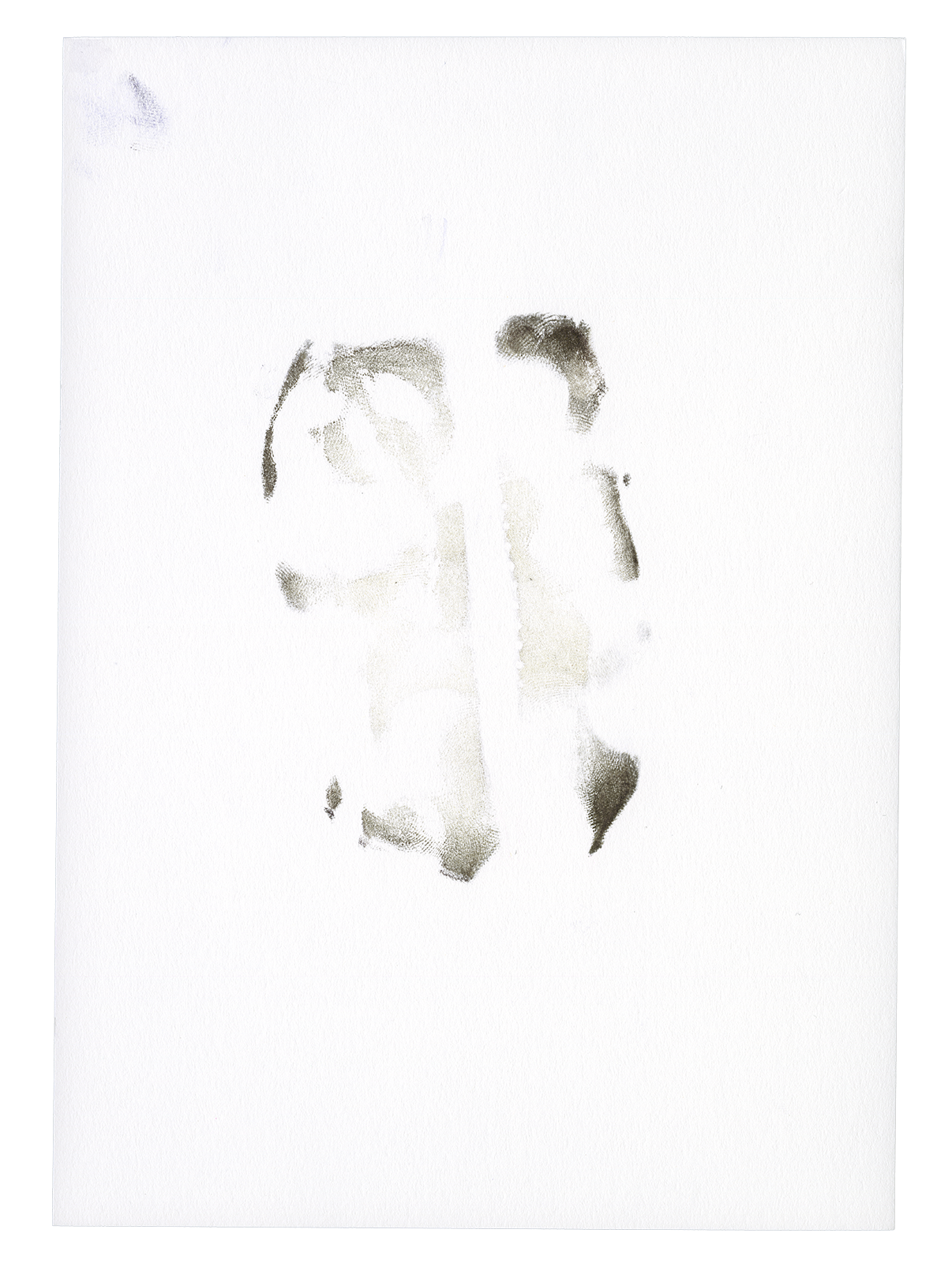
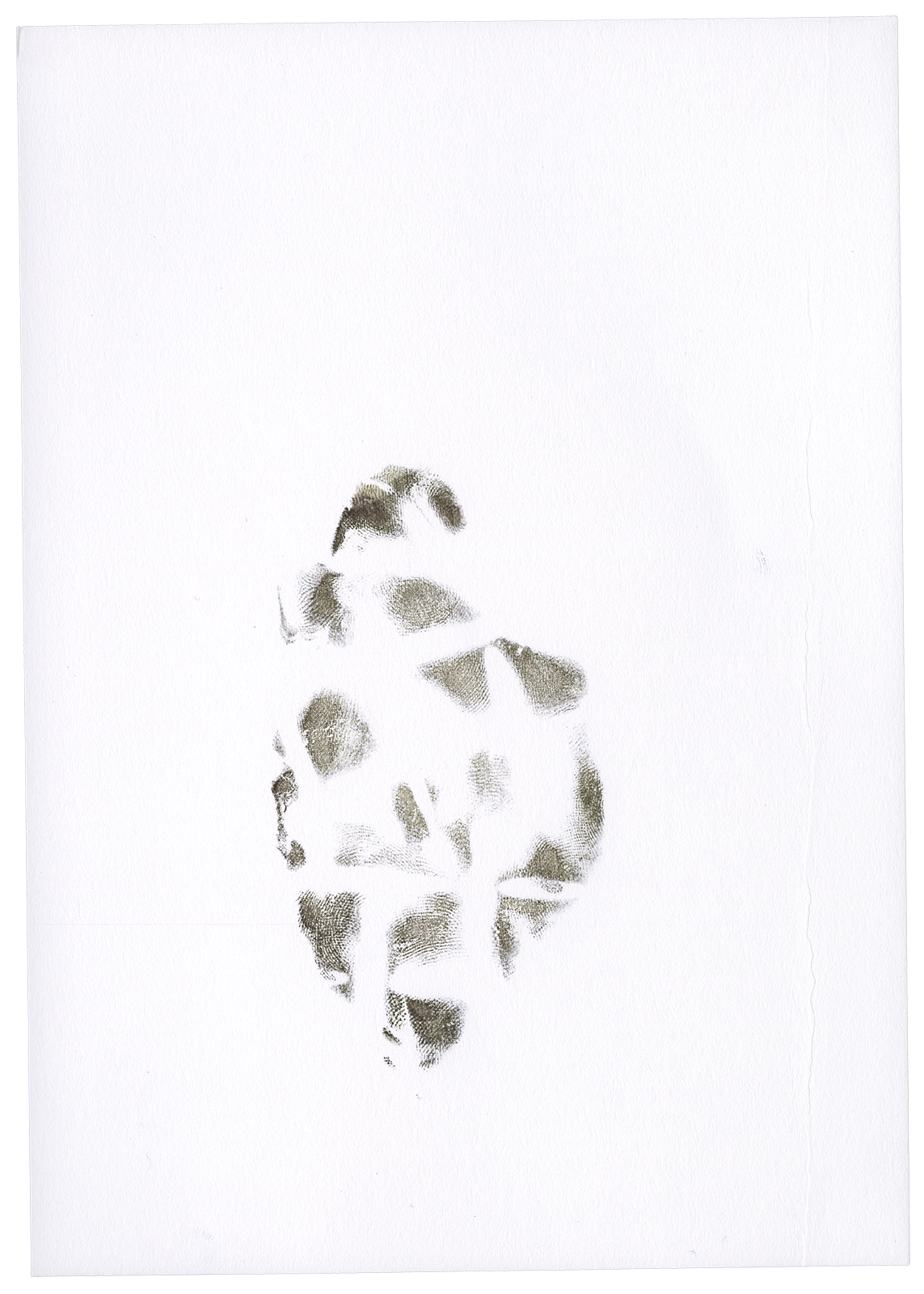
Matteo
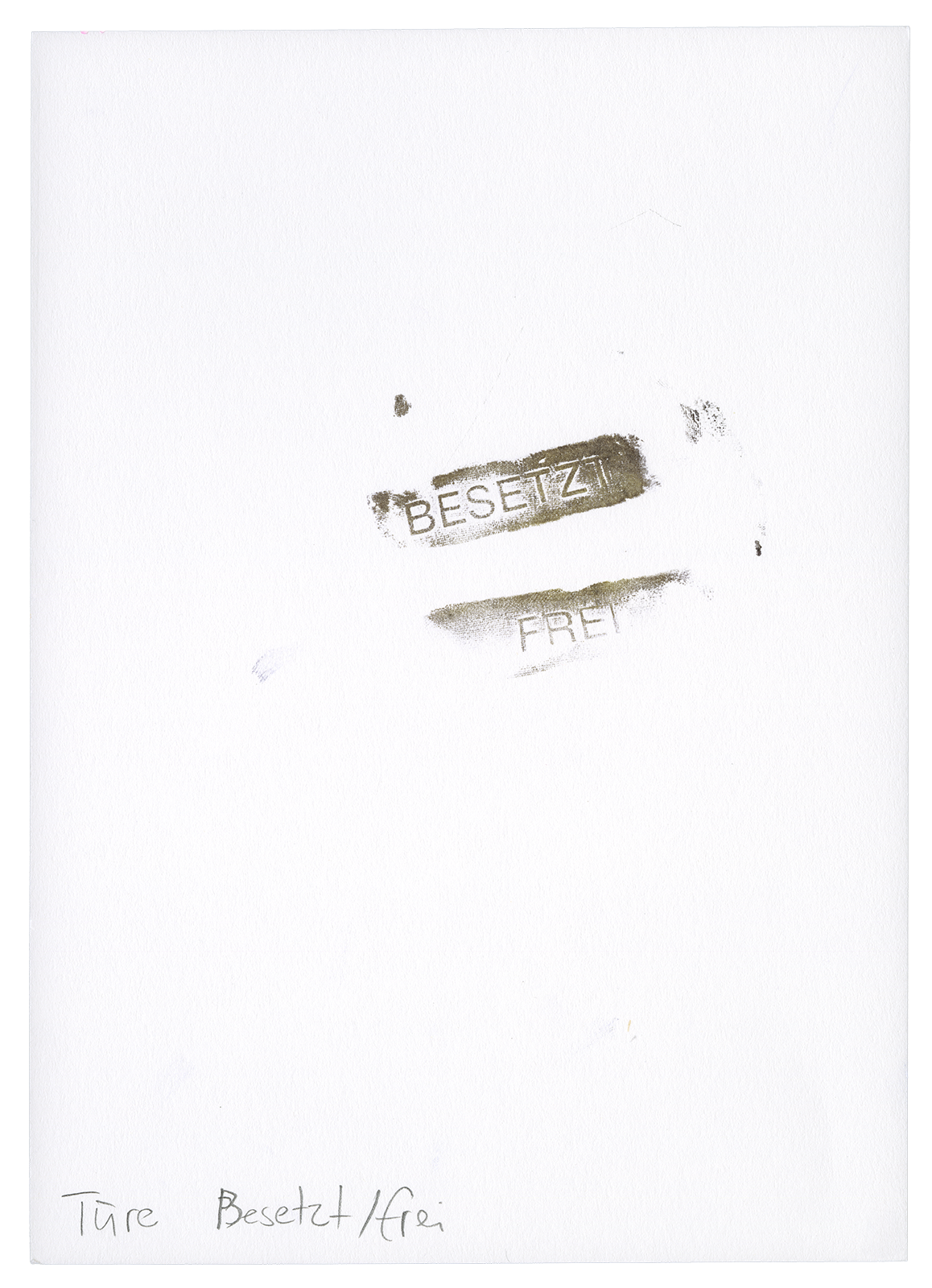
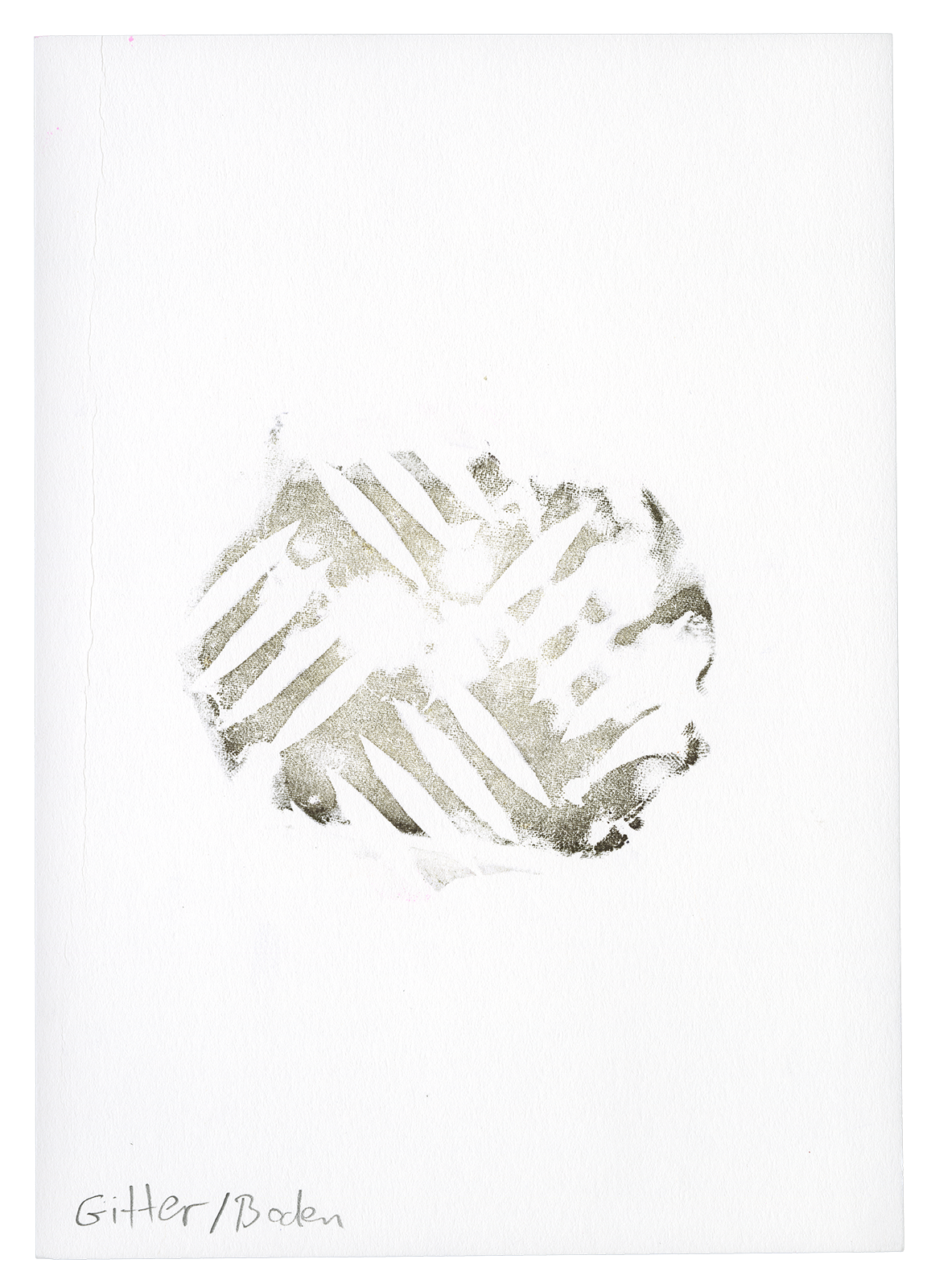
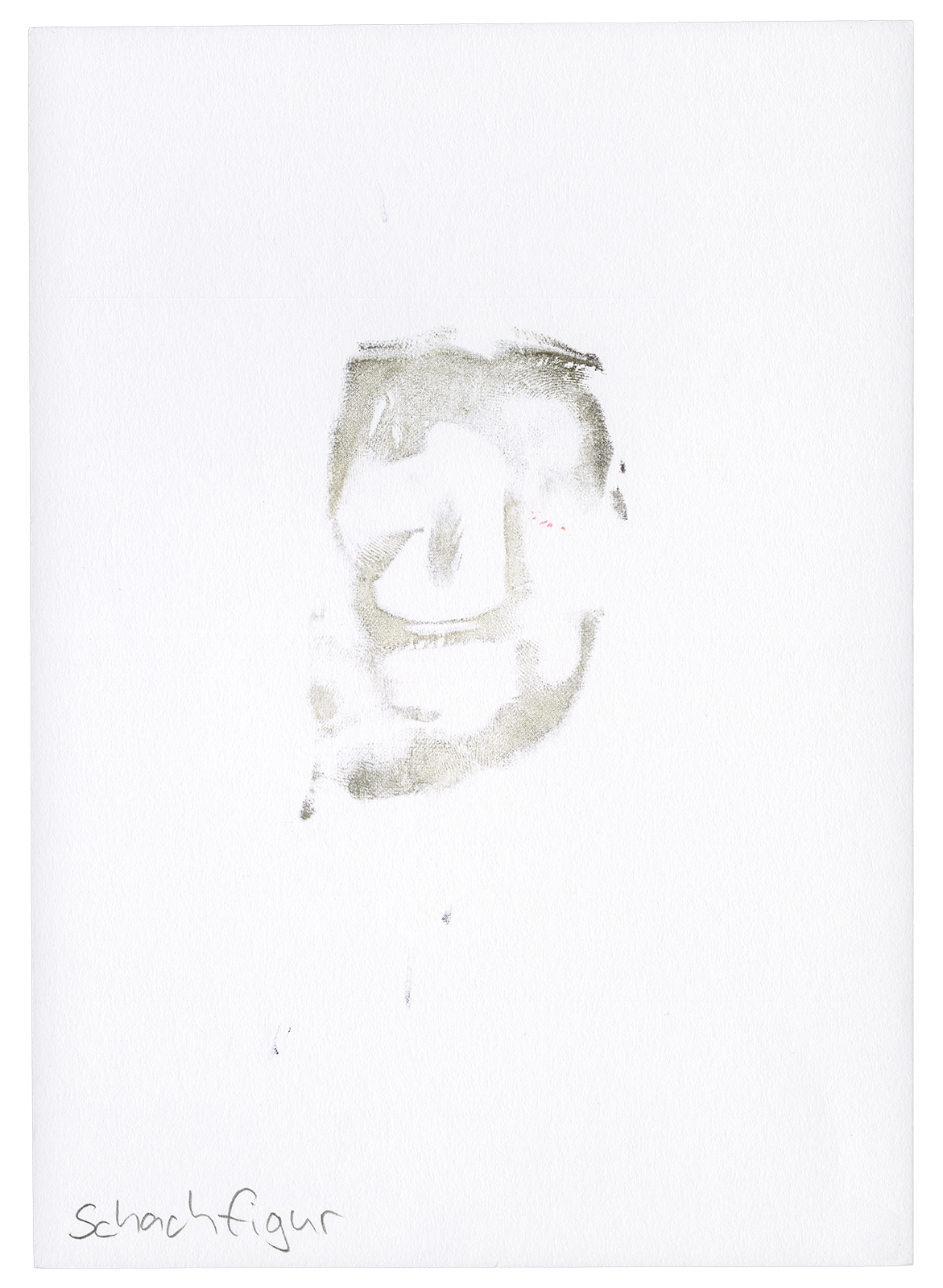
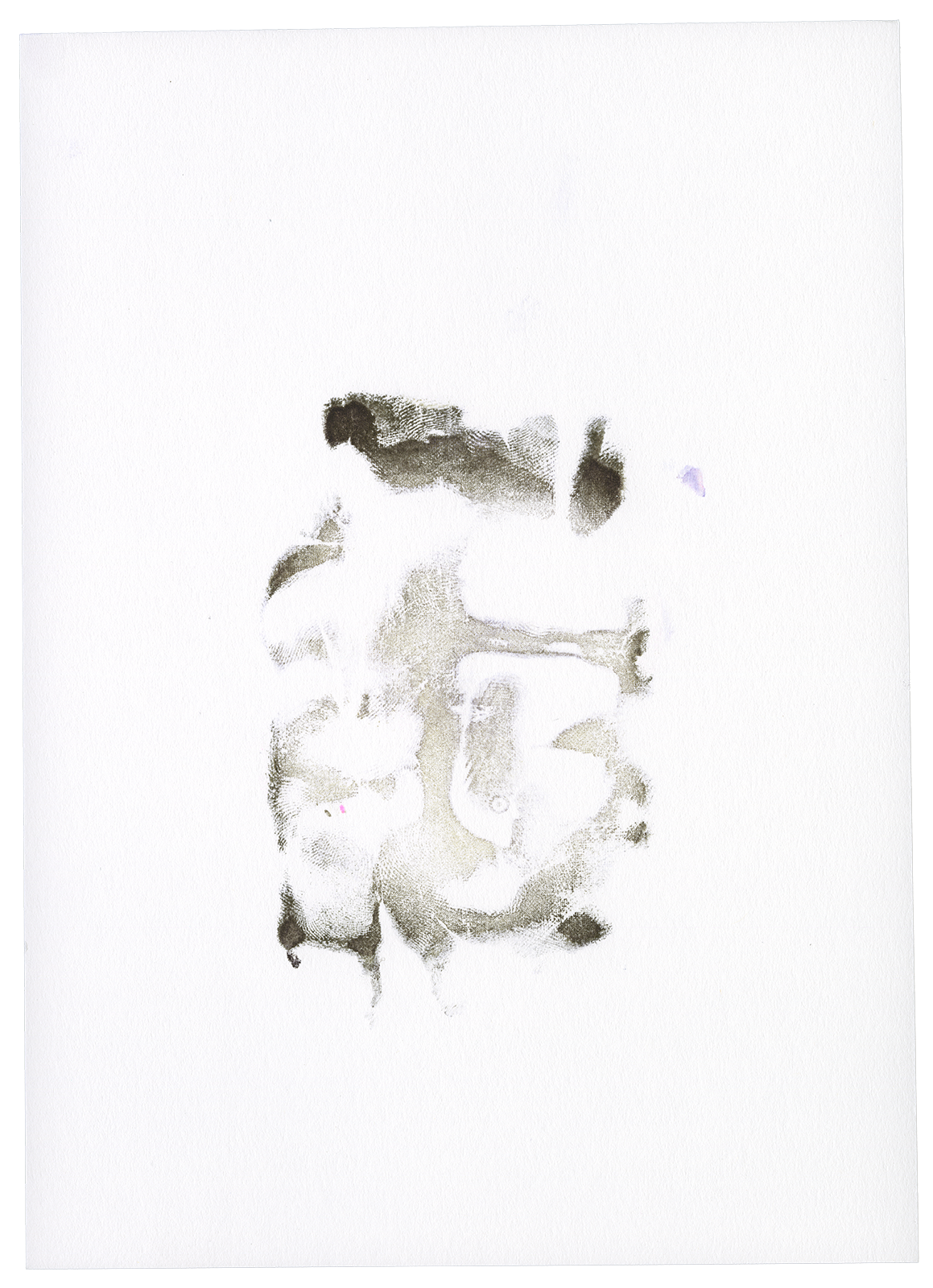
focuses on a set of everyday objects and surfaces, including the telephone, achess piece, and the grated floor. Three additional prints—likely taken from different surfaces—remain unnamed, suggesting either a more intuitive approach or a reduced emphasis on categorization. The imprint Türe besetzt/frei (door occupied/free) highlights a binary system of access and control that structures daily routines, pointing to regulated use of shared spaces.
7 prints by Pablo
Reproduced with consent
Pre-Trial Detention 3, 2026
Prints:
Telefon, Telephone
Türe Besetzt/frei, Washing Facility
Gitter/Boden, Ping Pong Table
Schachfigur, Chess Piece
Untitled
Untitled
Untitled
Documentation of the workshop.
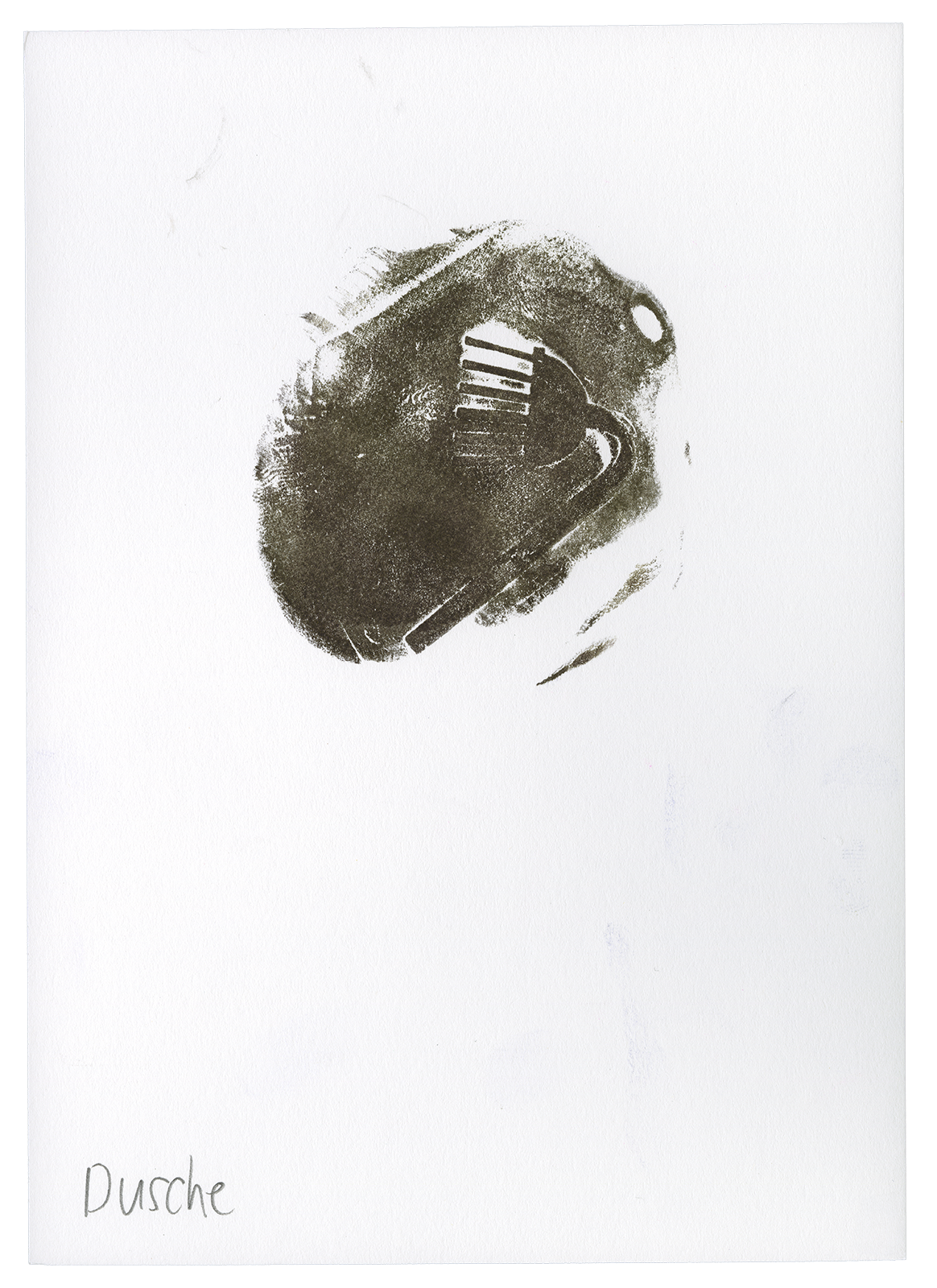
Aleksandr
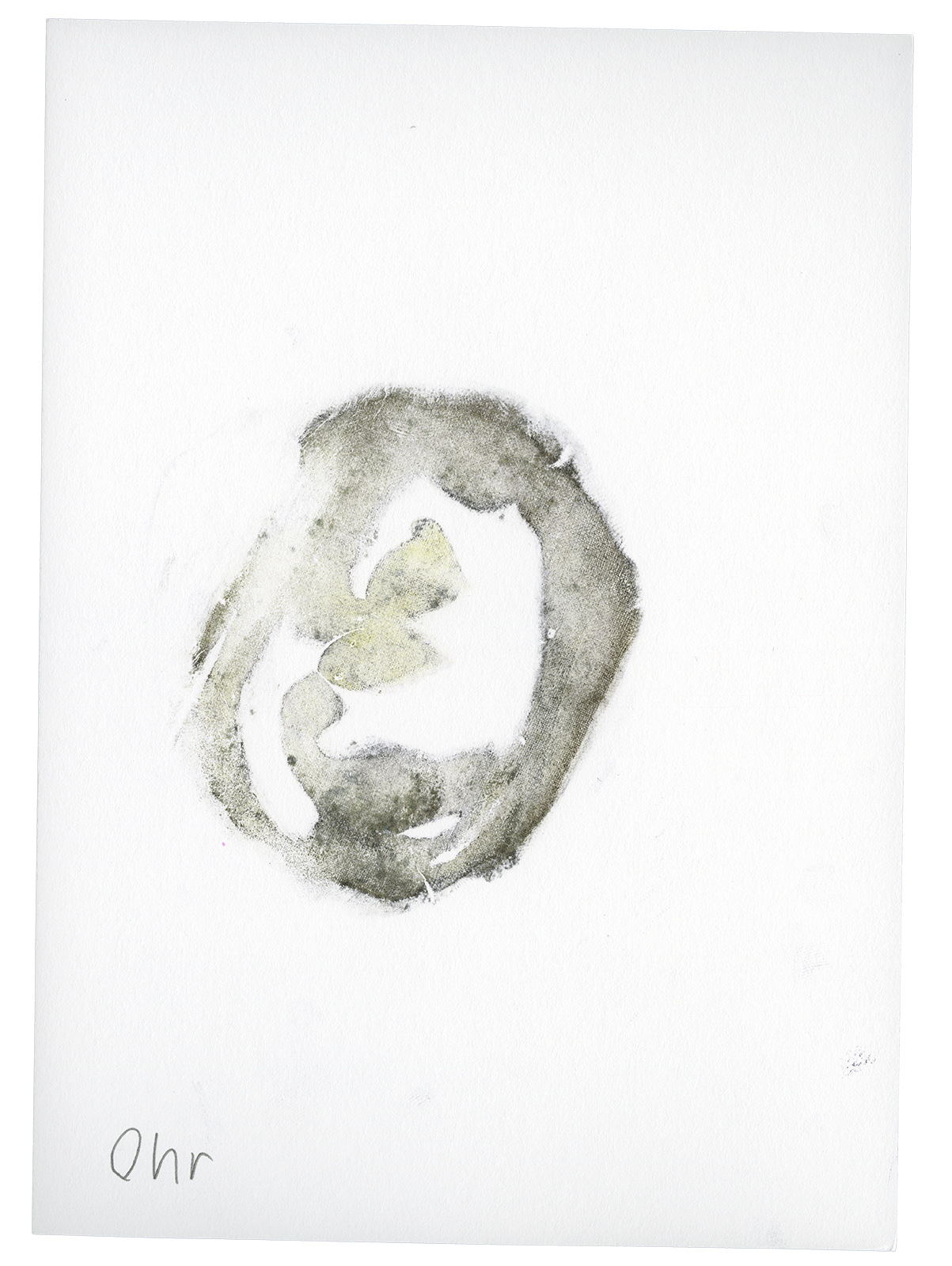
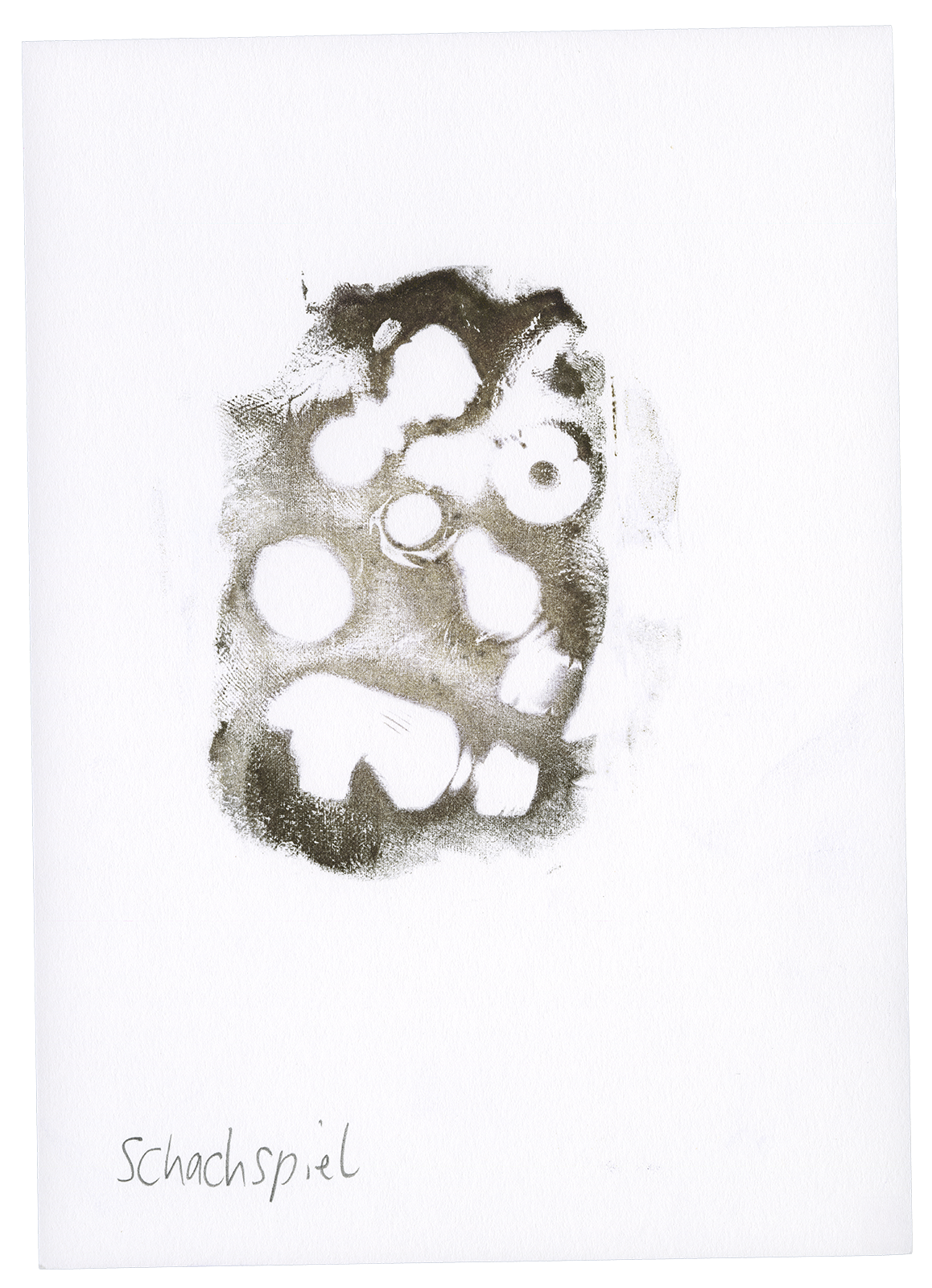
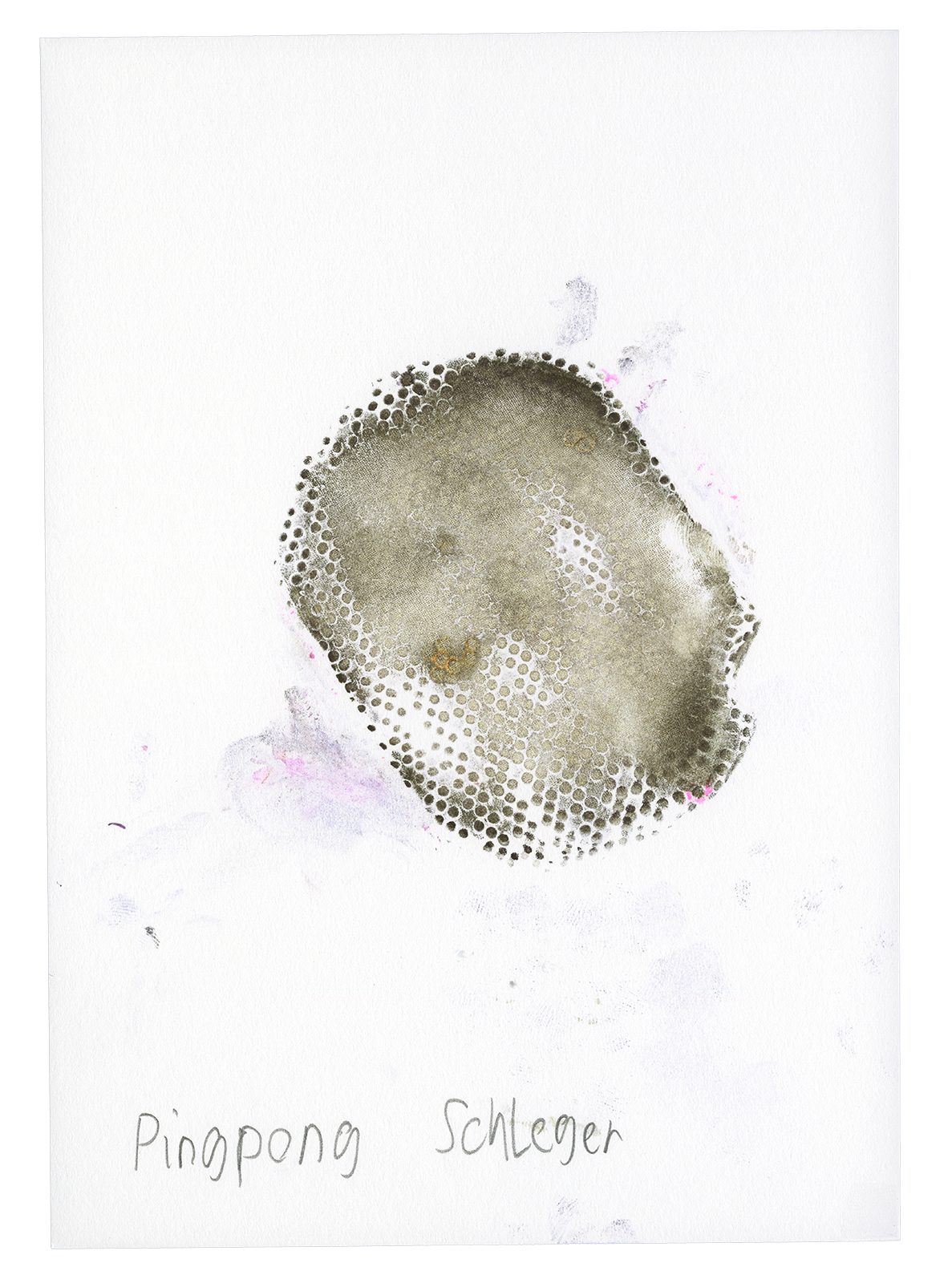
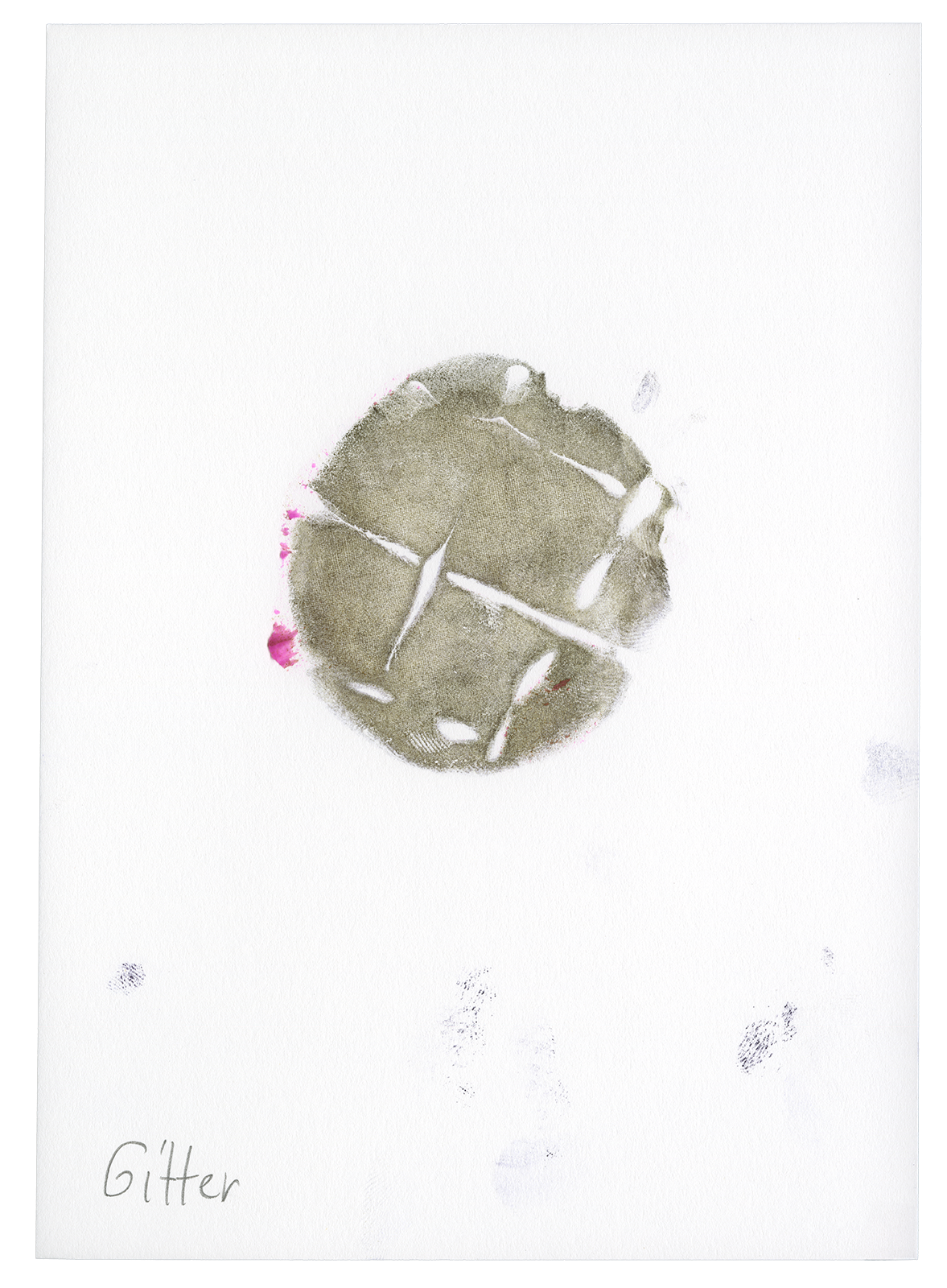
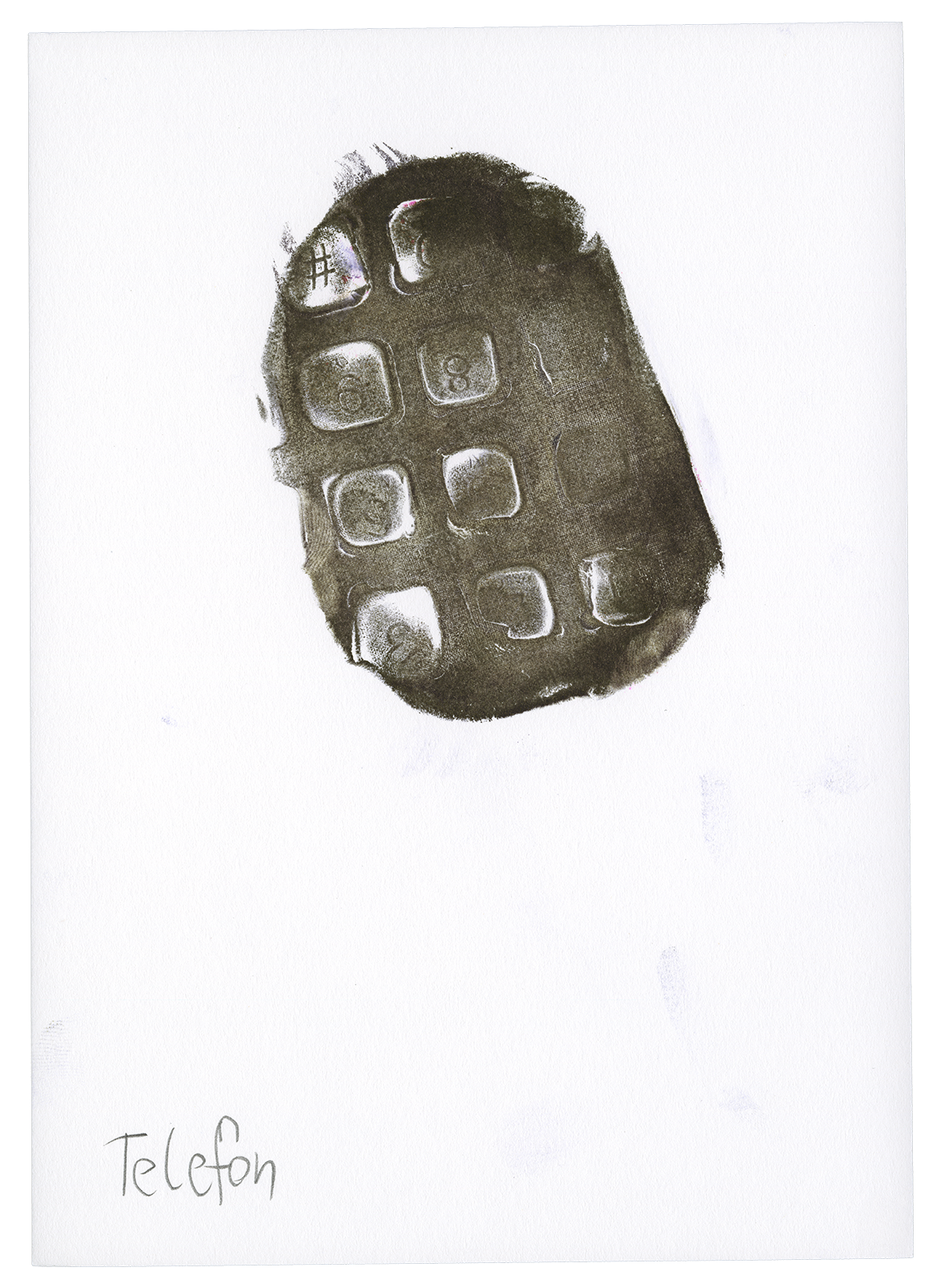
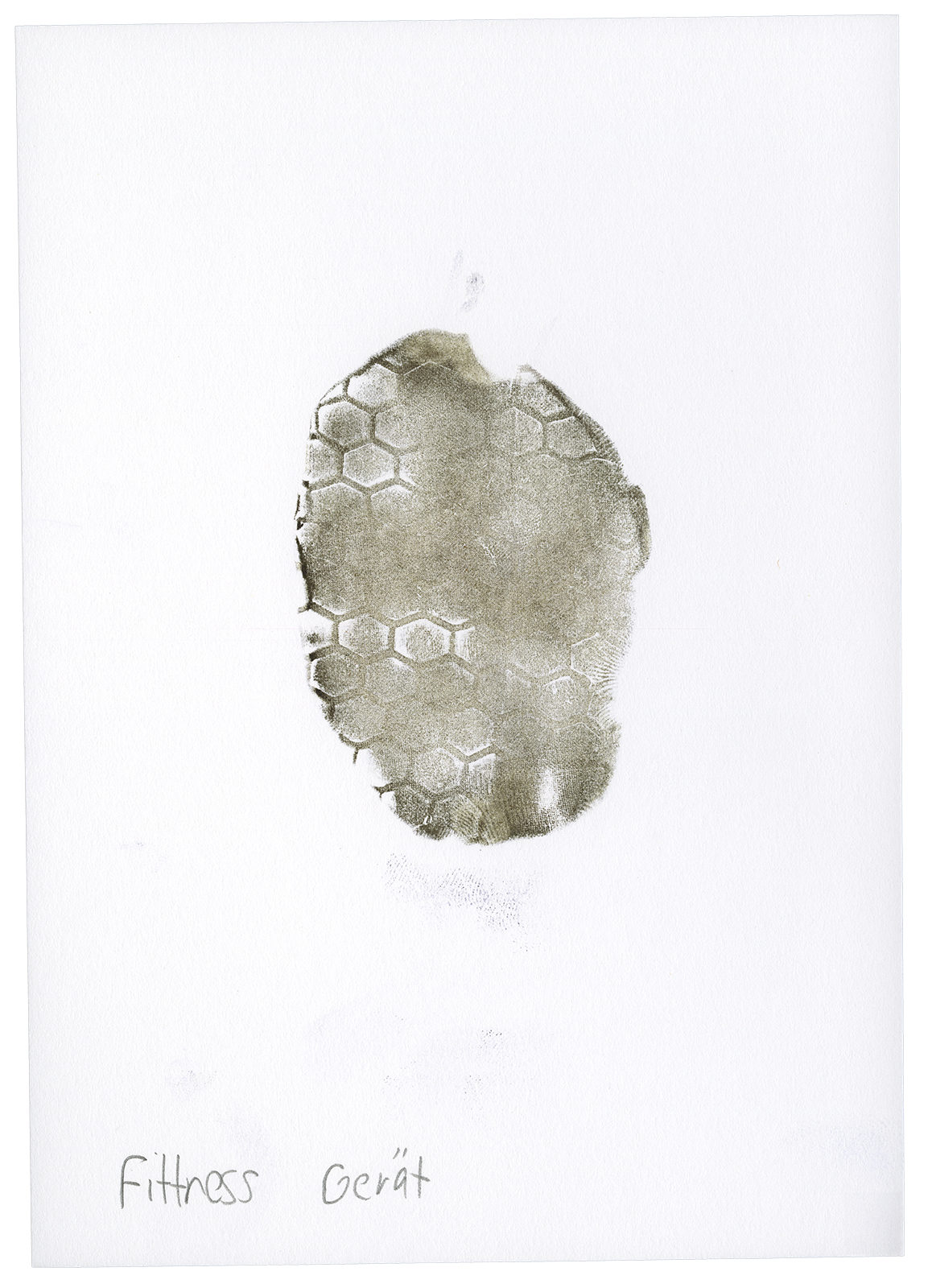
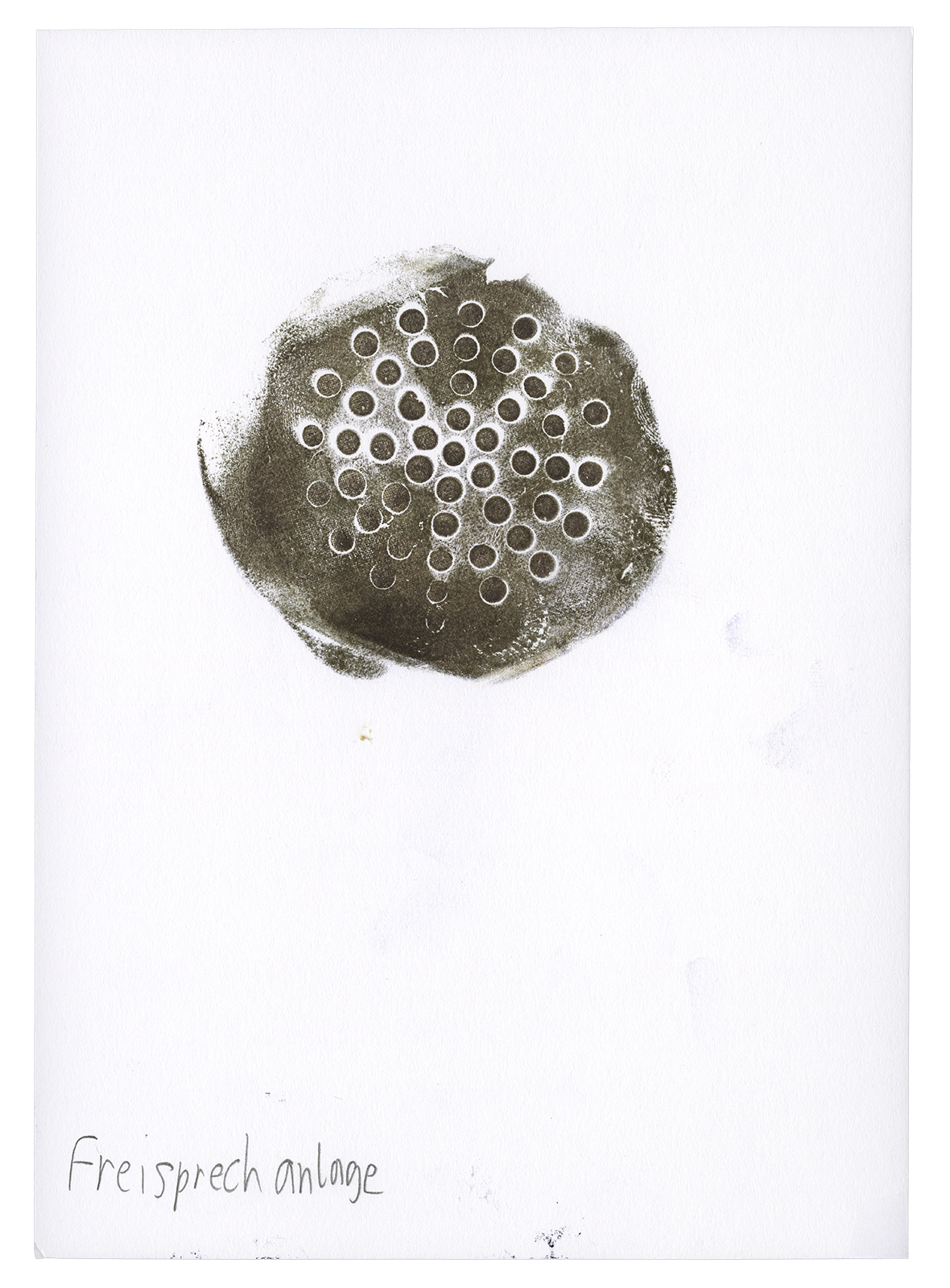
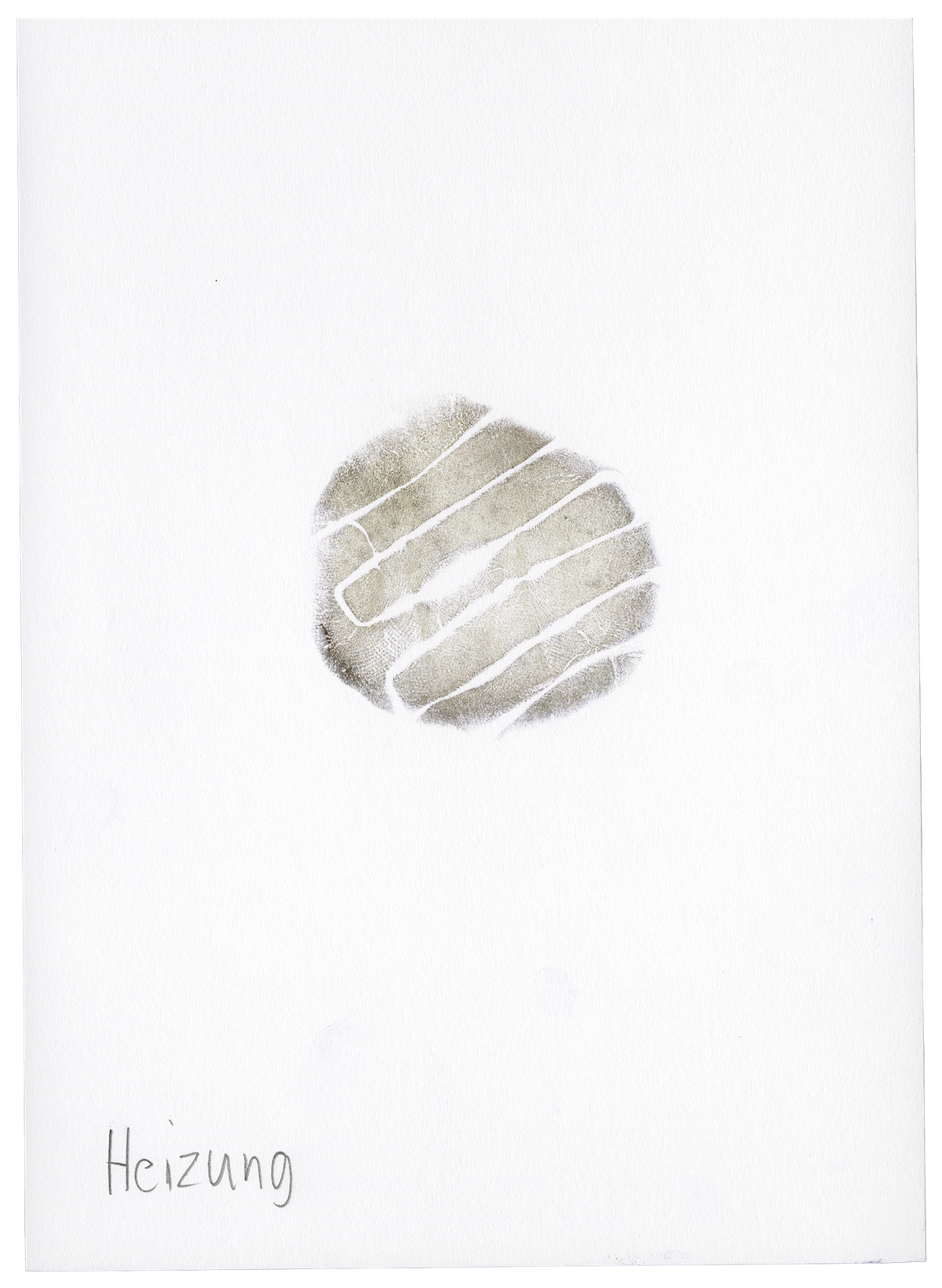
focused primarily on everyday functional objects within the prison environment, such as the shower, telephone, heating, and fitness equipment. This selection suggests an attention to routine, infrastructure, and the material conditions that structure daily life. The inclusion of recreational items like a chessgame and a ping-pong paddle points to moments of social interaction and leisure within confinement. Notably, the imprint of another participant’s ear—taken ina moment of laughter and joking—introduces a playful, human dimension, reflecting shared moments of enjoyment and social connection within another wise object-centered selection.
9 prints by Aleksandr
Reproduced with consent
Pre-Trial Detention 3, 2026
Prints:
Dusche, Shower
Ohr, Ear
Schachspiel, Chess Set
Pingpong Schleger, Ping Pong Paddle
Gitter, Bars
Telefon, Telephone
Fittness Gerät, Exercise machine
Freisprechanlage, Intercom
Heizung, Radiator
Video documentation of the workshop.
No audio to protect participant anonymity.
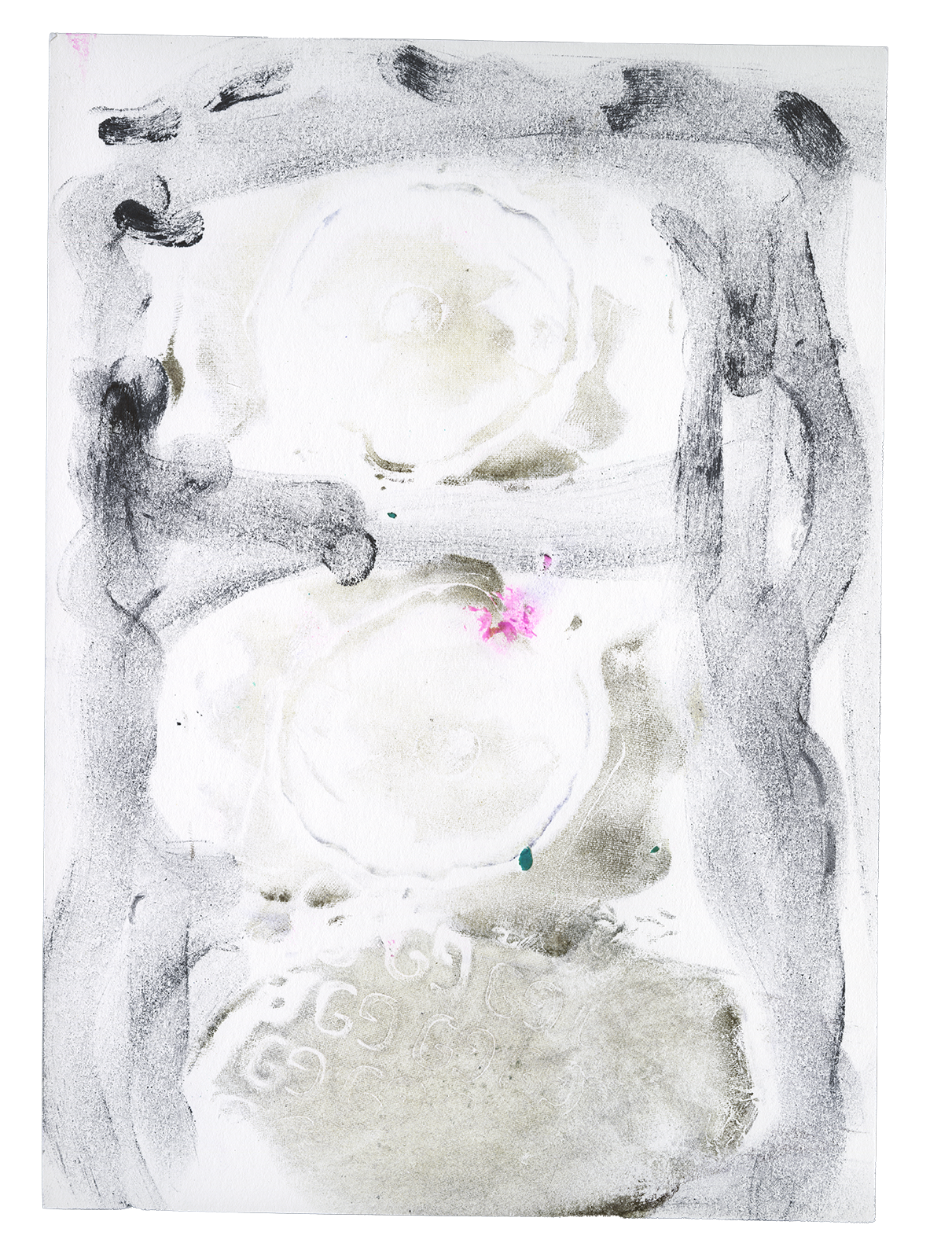
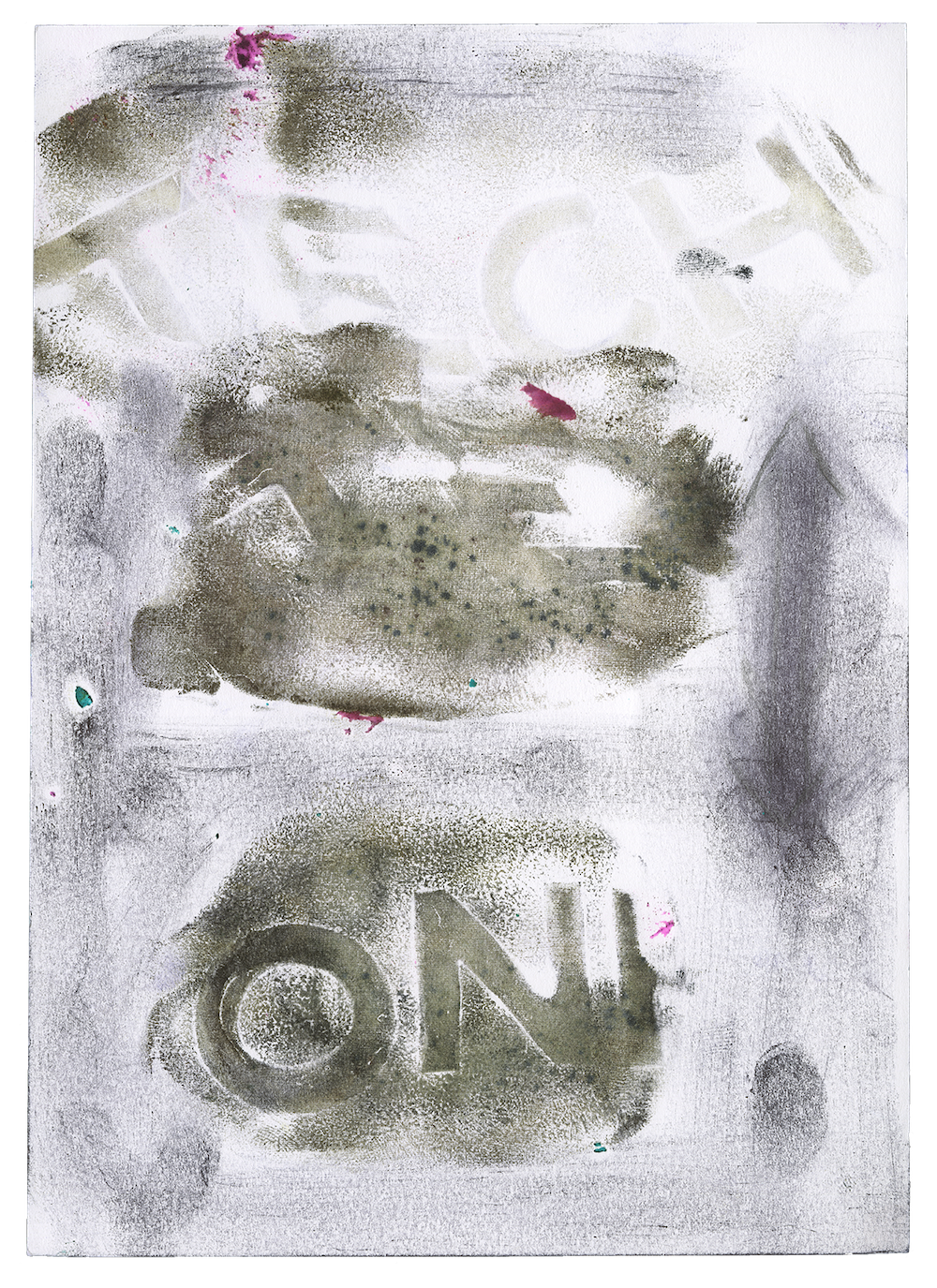
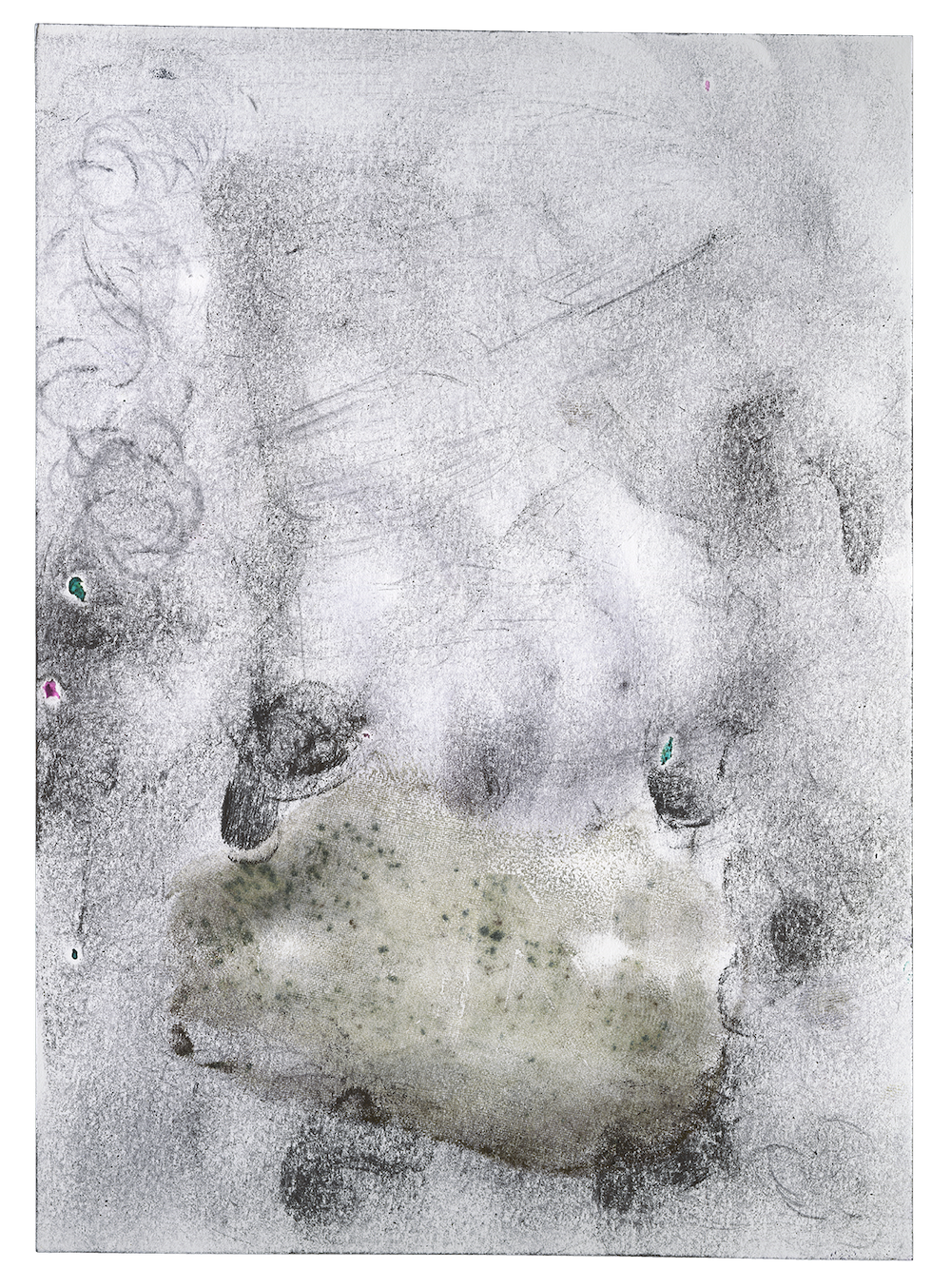
Michal
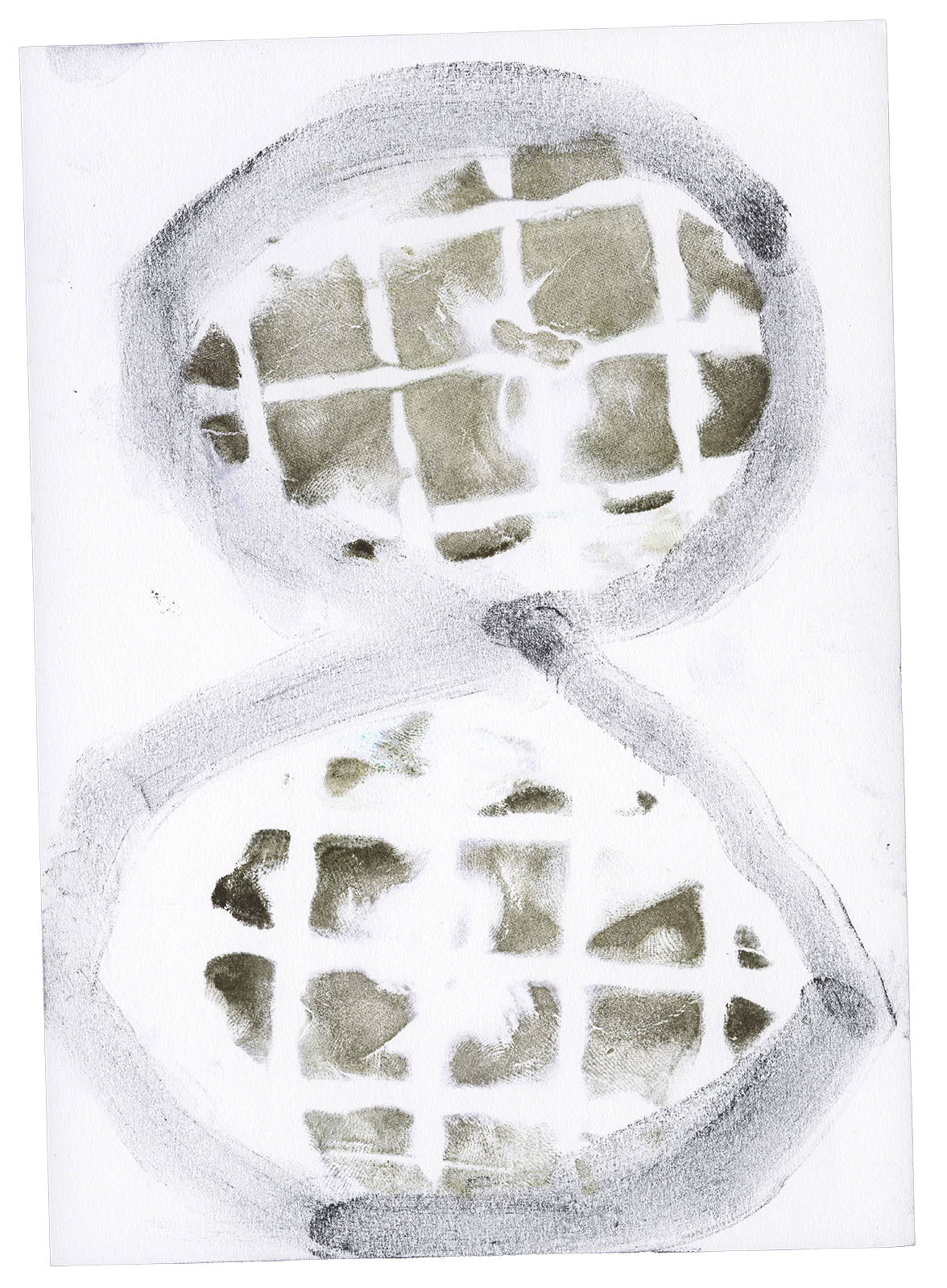
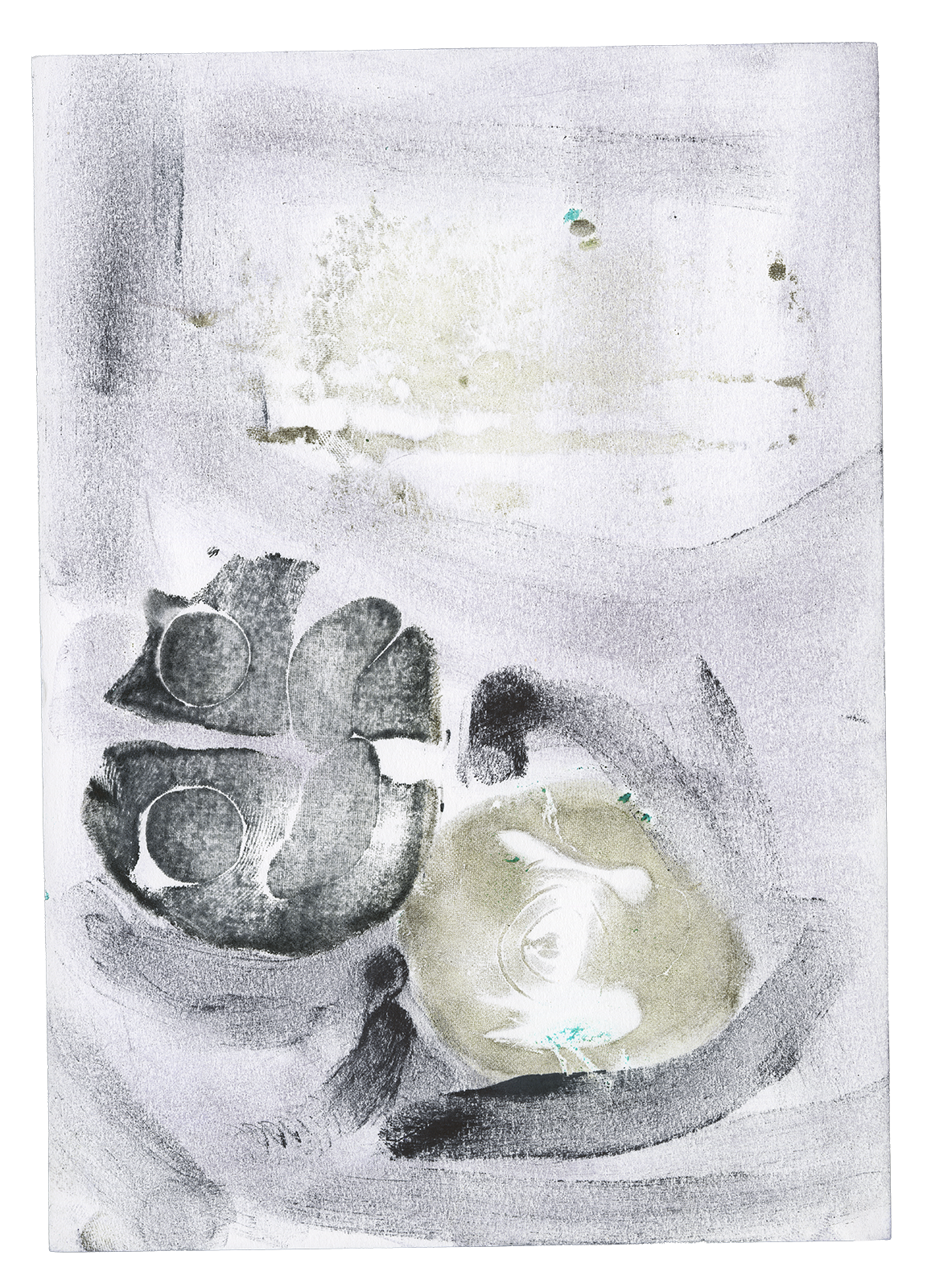
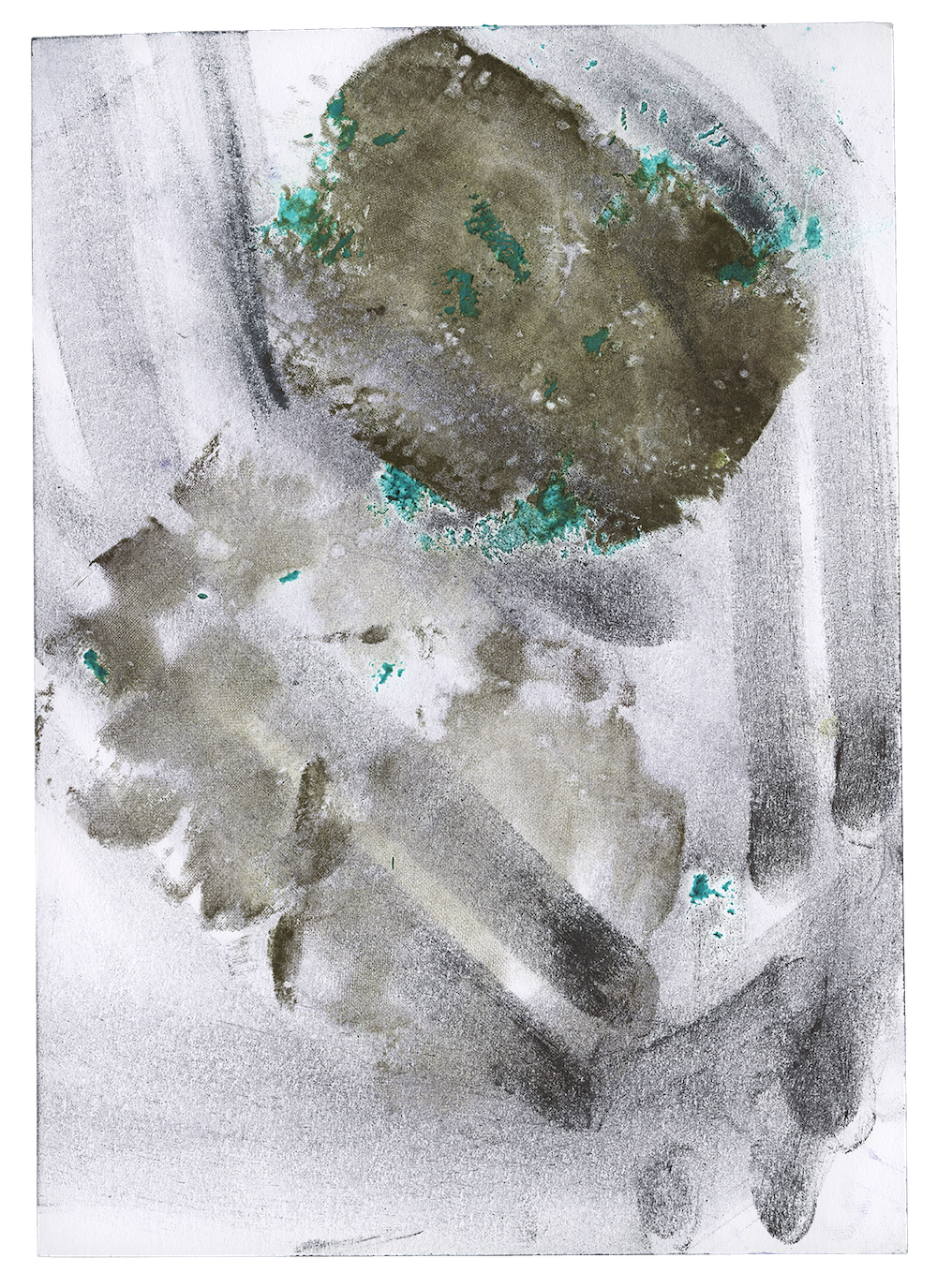
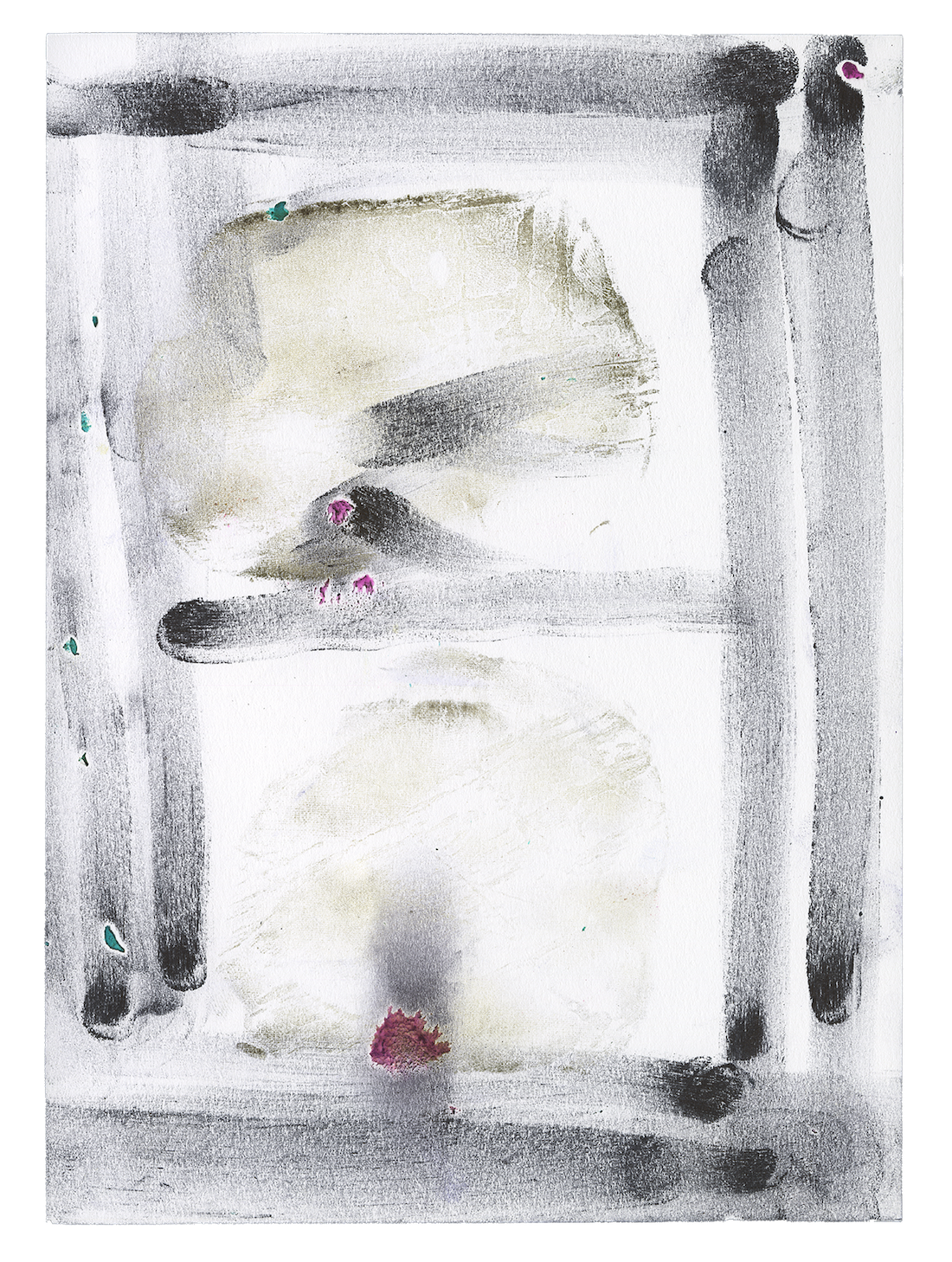
produced a large number of imprints in the laundry room, suggesting that this space holds particular significance for him. This is likely because he spends a considerable amount of time there as part of his assigned work, washing other inmates’ clothes and preparing fresh sets of bed linens, towels, and washcloths.
He engaged with the task inan expansive and exploratory manner, going beyond the initial instructions. For instance, he used his fingers to apply ink directly from the stamp pad, modifying and extending the prints. Toward the end of the workshop, he asked formore time and referred to himself as an artist.
Michal made his prints on one side of the paper and added written labels on the reverse.
7 prints by Michal
Reproduced with consent
Pre-Trial Detention 3, 2026
Prints:
Gitter, Bars
Fensterschluss/Gebaute negative—positive Smily/
Wandabdruck, Window latch/Built negative—positive smiley/
Wall Imprint
Wäscherei/Wandabdruck, Laundry room/Wall Imprint
Wandabdruck II Stock, Wall Imprint 2nd Floor
Gucci Abdruck/Lichtknopf Wäscherei, Gucci Imprint/
Laundry Room Light Switch
Tech NO NO Tech/Gym, Tech NO NO Tech/Fittness Room
Big Hole Wäscherei, Big Hole Laundry Room
Documentation of the workshop.
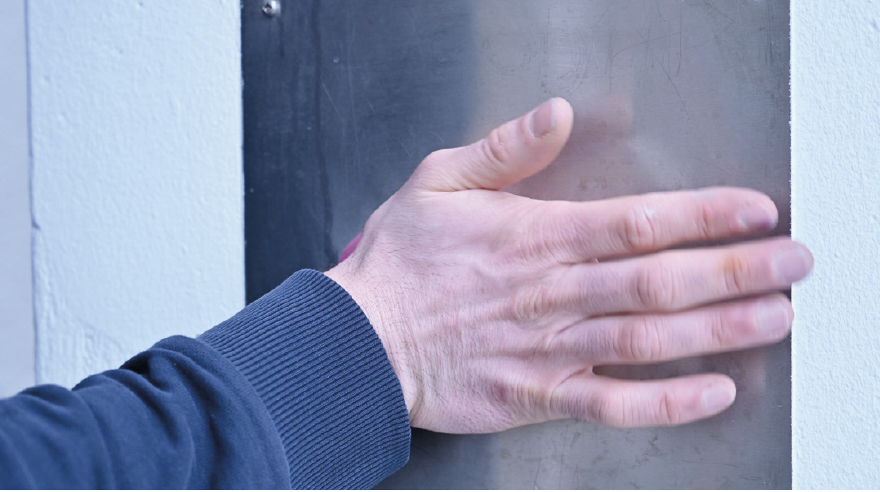
The analysis of the prints reveals recurring patterns. Out of the five to seven prints produced by eachparticipant (48 prints in total), six elements consistently reappear. This repetition reflects both the limited spatial environment and the significance of these elements, leading participants to engage with similar features. Notably, five of these six recurring elements are located outside the cell, suggesting that the primary focus of daily life extends beyond the individual cell space.
The prints reveal not only the conditions of the environment but also the ways in which participants actively relate to and negotiate it. Through marking practices—such as labeling with names or cell numbers, adding fingerprints, or introducing poetic titles—participants inscribe aspects of the self within a constrained setting. These acts, alongside moments of subtle resistance, point to forms of agency that persist despite restriction. However, such expressions remain shaped and limited by institutional regulations, which ultimately determine what can be shown, recorded, and preserved.
Being in—Coping With Space